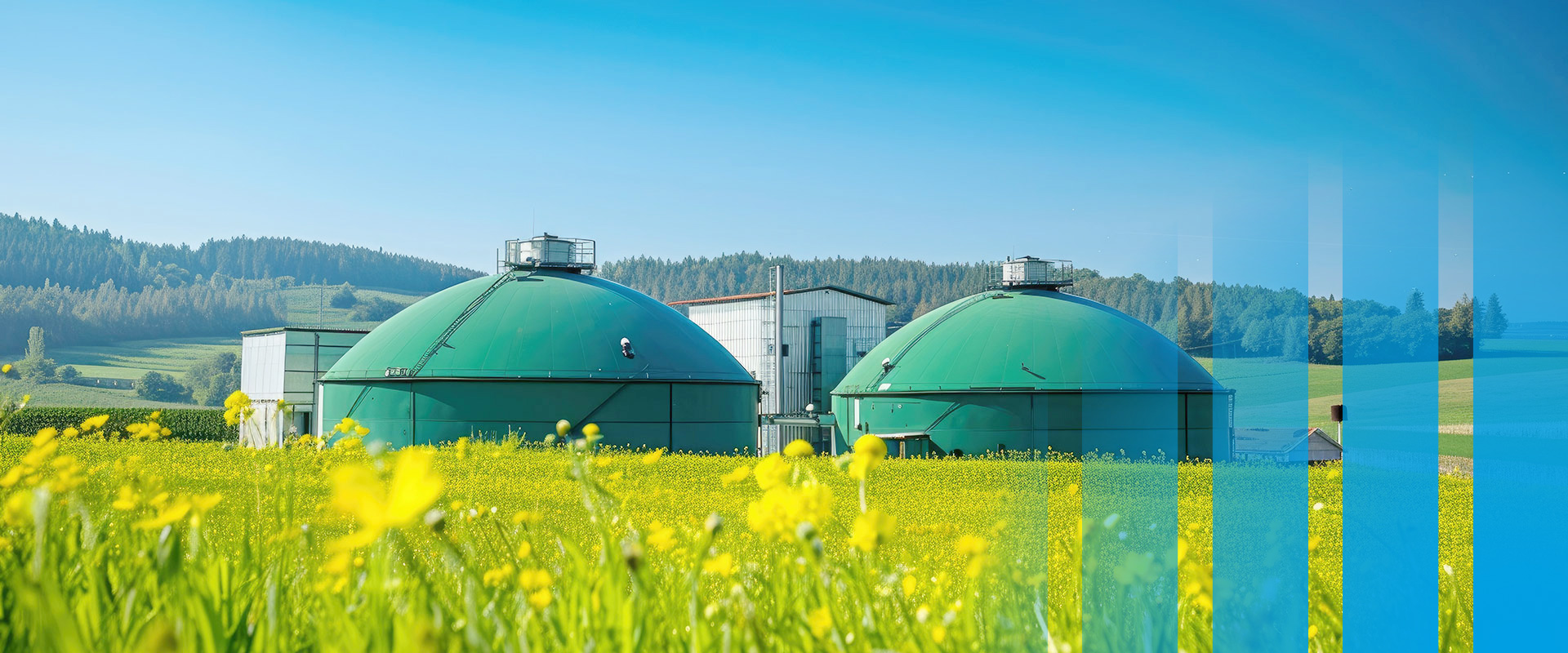
Biogas
Room Monitoring in Biogas Plants – Safety for People and Equipment with Gas Detection Technology from Bieler+Lang
Although process gas analysis also plays an important role in many biogas plants, continuous ambient gas monitoring is becoming increasingly important. Particularly in combined heat and power (CHP) plants, compressor rooms, gas treatment facilities, equipment rooms, or other enclosed areas, hazardous gases can escape unnoticed and pose a significant risk to people and equipment.
A stationary gas detection system detects critical gas concentrations early on and triggers an alarm when necessary. This allows appropriate protective measures to be taken in a timely manner—such as turning on ventilation, shutting down equipment, or evacuating the affected area.
Depending on the application, various gases are monitored, including:
- Methane (CH₄) as an explosive gas
- Hydrogen sulfide (H₂S) as a highly toxic gas
- Carbon dioxide (CO₂) for monitoring potential suffocation hazards
- Oxygen (O₂) for detecting oxygen deficiency or oxygen enrichment
The use of gas detection technology in biogas plants is governed by the applicable safety regulations and the plant-specific risk assessment. Relevant in Germany: DGUV Rule 113-001 (Explosion Protection Rules) of the BG RCI, as well as Technical Information 4 “Safety Rules for Biogas Plants” from the Federal Association of Agricultural Professional Associations (Bundesverband der landwirtschaftlichen Berufsgenossenschaften e. V.), provide important guidance for planning and operation. In many areas of biogas plant operations, gas detectors are used that are suitable for operation in potentially explosive atmospheres—such as Zone 2. However, the selection of appropriate devices always depends on the plant’s specific zone classification.
Bieler+Lang offers comprehensive gas detection solutions for the following application areas, among others:
- Combined Heat and Power Plants and Engine Rooms – Monitoring of CH₄, CO, H₂S, and O₂
- Gas Compression and Gas Processing – Explosion Protection and Leak Detection
- Technical and Utility Rooms – Personal Safety and Early Detection of Hazardous Gases
- Centralized Gas Detection Systems – Controllers, Alarm Systems, and Building Management Systems
- Service & Calibration – Maintenance, Adjustment, and Long-Term Spare Parts Supply
Conclusion: In combined heat and power plants, compressor rooms, or utility rooms, methane, hydrogen sulfide, carbon dioxide, or oxygen deficiency can quickly become a hazard. Stationary gas detection systems continuously monitor these areas and provide early warnings—to protect people and equipment and ensure safe operation. Of course, our solutions comply with the requirements of the applicable regulations and standards.
Bieler+Lang’s stationary gas detection systems can be used to reliably perform a wide variety of room monitoring tasks:
- Explosion Protection (CH₄)
- Personal Protection (H₂S, CO₂, O₂)
- Room Monitoring in Combined Heat and Power Plants, Equipment Rooms, Gas Compression Facilities, Gas Processing Facilities, and Grid-Connection Facilities
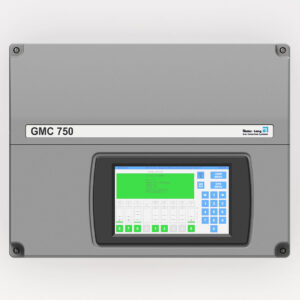
- Integration into central gas detection systems (GMC 750/GMC 650 and similar products)
Our gas detection systems provide effective protection for employees, ensure the safe operation of facilities, and help operators consistently meet the requirements for the safe operation of biogas plants.
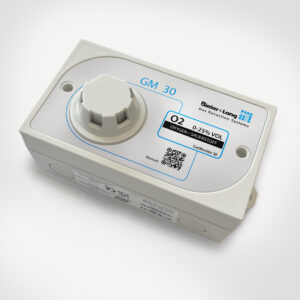
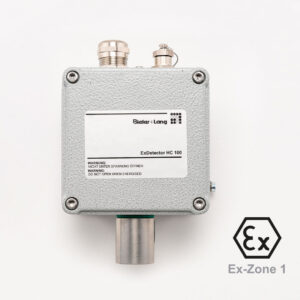
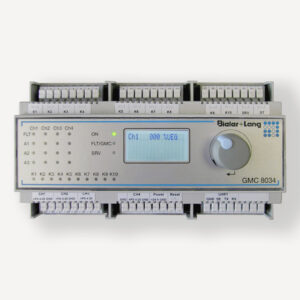
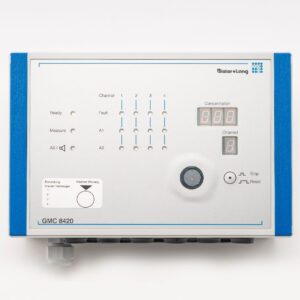
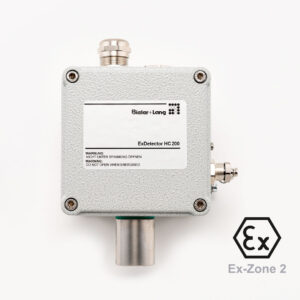
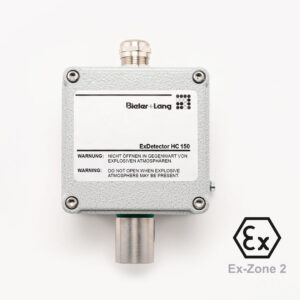
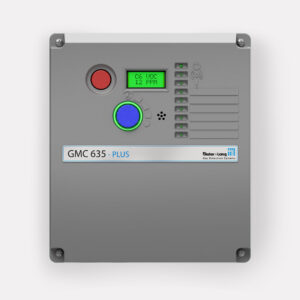
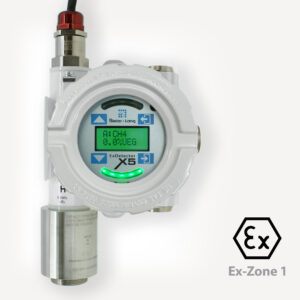
Possible system components for a biogas detection system—we’d be happy to advise you:
GMC Biogas 08 – A Piece of Biogas History Retires
We look back on nearly two decades of biogas analysis with Bieler+Lang
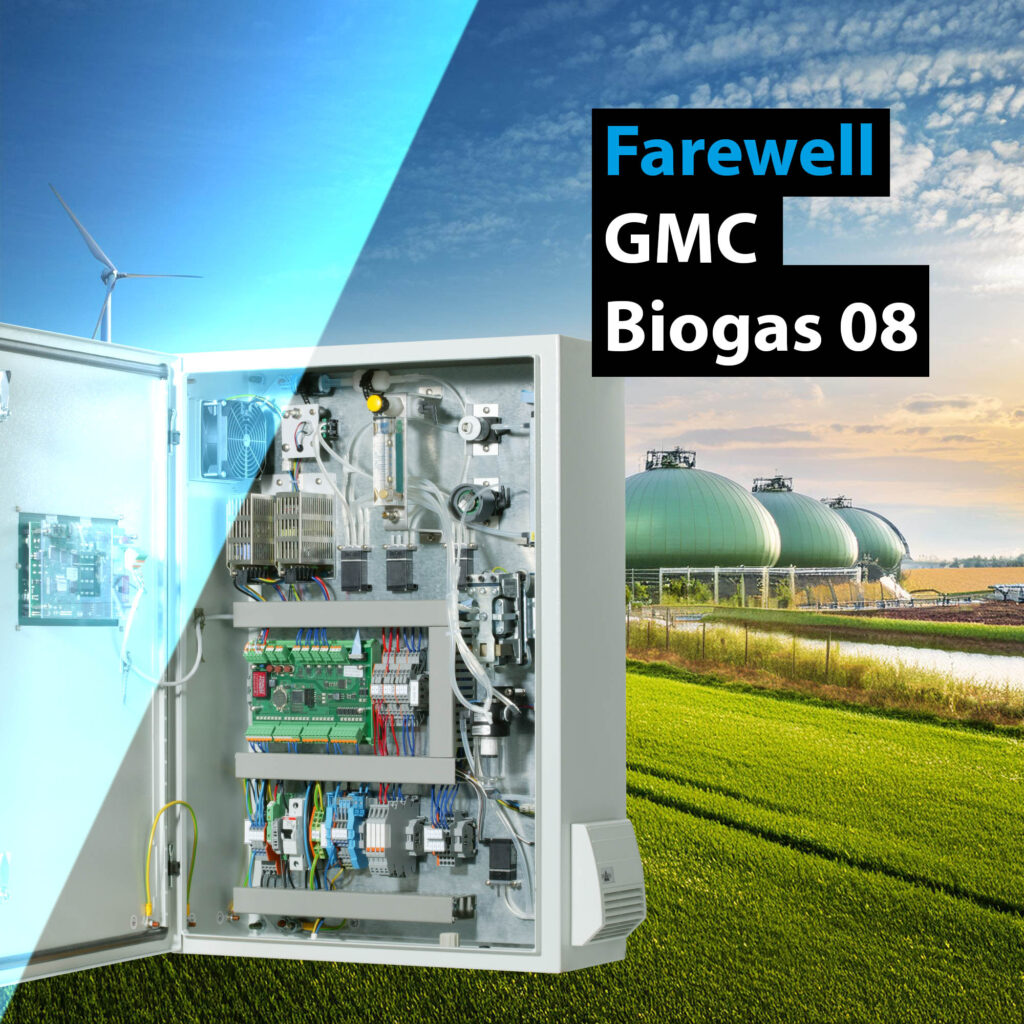
To optimally control the production process in a biogas plant, continuous monitoring of the biogas produced is necessary. With the GMC Biogas 08 biogas analyzer , Bieler+Lang is now phasing out a gas analyzer that has been a reliable companion to the biogas industry for many years.
This farewell comes at a time when the biogas industry can look back on impressive growth: Today (mid-2026), some 9,600 biogas plants in Germany alone ensure a secure and sustainable energy supply!
What is often less well known: Although these plants generate a relatively small share of renewable electricity—5–6%—this share is all the more important, and they do far more than just produce energy: As flexibly controllable power plants, they balance out fluctuations in wind and solar energy, stabilize the power grid, and help maintain a balance between supply security and our electricity prices. At the same time, many plants efficiently utilize the heat generated through combined heat and power (CHP).
Bieler+Lang is proud to have supported this development over many years with reliable gas analysis and gas measurement technology. The GMC Biogas 08 was used not only in Germany but also in numerous biogas projects across Europe and around the world. For many years, it served as a key component for operators, ensuring safe operation and protecting people, the environment, and equipment.
Even though production of the GMC Biogas 08 is now coming to an end, we will, of course, remain committed to our customers. We will continue to service units that have already been installed to the best of our ability. In addition, we will ensure the supply of replacement parts as long as they are available. Our service and support team will continue to serve as a knowledgeable point of contact for all plant operators in the future.
The Biogas Industry in Germany and Europe
Current Key Figures, Trends, and Outlook from the German Biogas Association
In the spring of 2026, the Fachverband Biogas e.V. released the industry figures for the previous year, 2025.
This link takes you directly to the article by the trade association on the website of the Agency for Renewable Energies e.V. It provides interesting insights into the significance that biogas has come to hold not only in Germany but also within the European Economic Area.