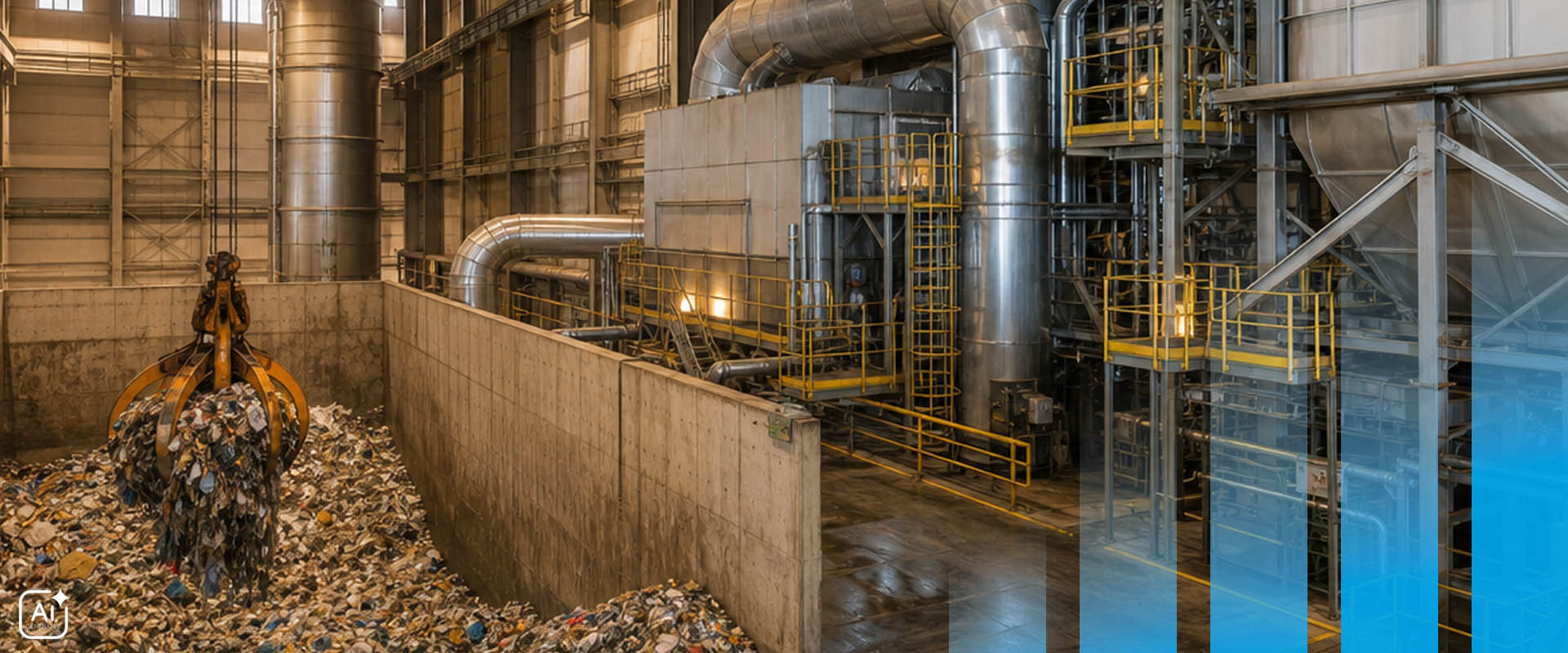
Gas Detection Technology for Waste Management, Waste Disposal, and Recycling
Gas Detection Systems in Hazardous Material Storage Facilities in the Waste Management Industry—Safety Technology Protects Against Dangerous Gases During Waste Disposal, Recycling, and Environmental Protection
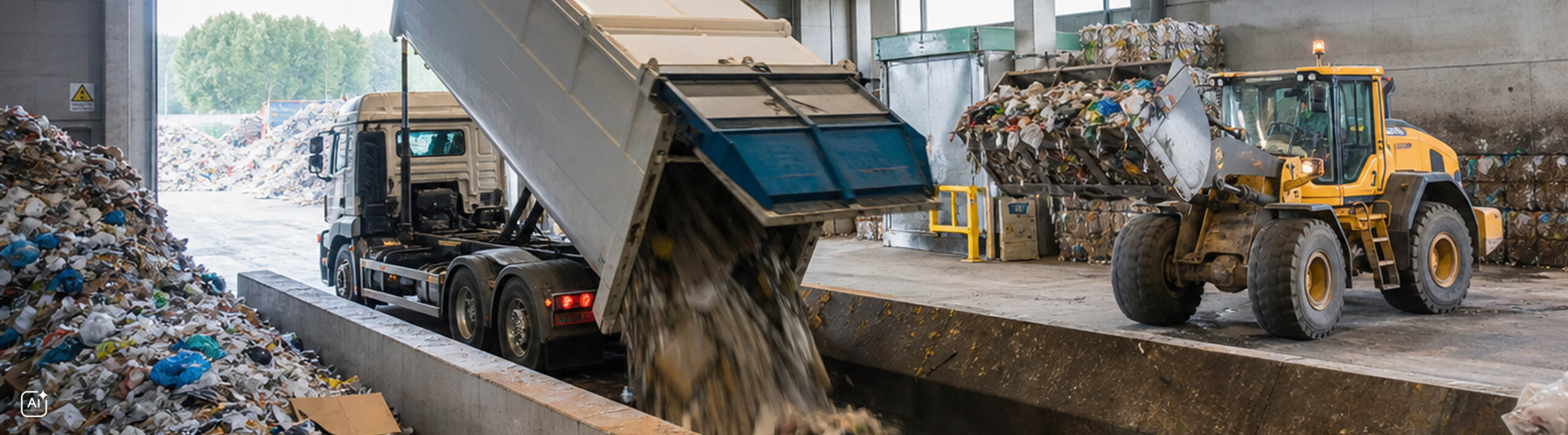
Safety and Prevention in the Receipt, Storage, and Handling of Waste
In waste management, a wide variety of substances and hazardous situations come into play. Flammable, toxic, or oxygen-displacing gases and vapors can be released, particularly during the receipt, sorting, temporary storage, and treatment of waste. Whether handling hazardous waste, disposing of chemicals, solvents, or oil-containing materials—anywhere hazardous substances are stored, transferred, or treated, there is a significant risk of uncontrolled gas releases. Damaged containers, unknown ingredients, chemical reactions, or the decomposition of organic materials can all lead to dangerous gas concentrations.
A reliable, permanently installed gas detection system continuously monitors the ambient air for relevant gases and vapors. If defined concentrations are exceeded, employees can be alerted and—depending on the safety plan—additional protective measures can be implemented.
Gas Detection Technology in Waste Management—A Brief Overview
From collection and disposal to temporary storage, sorting, and recycling: The processes in waste management and the recycling industry are diverse. At the same time, the composition of the waste delivered is not always fully known. A particular challenge arises when hazardous substances are unexpectedly released or when different substances react with one another. The use of reliable gas detection systems is therefore essential to ensure the long-term safety of personnel, facilities, and the environment.
Gas detection technology can be used, in particular, where
- flammable gases and vapors may be produced,
- toxic gases may be released,
- a lack of oxygen can occur,
- Hazardous substances are stored in containers,
- organic waste is decomposed or treated,
- Biogas or digester gas can be produced,
- or where explosive atmospheres are possible.
Typical Functions of a Gas Detection System
This pertains in particular to the
- Early Detection of Hazardous Gas Concentrations
- Warning to Employees and Managers
- Preventing the Risks of Poisoning, Suffocation, Fire, and Explosion
- Monitoring of Storage, Sorting, and Work Areas
- Control of Ventilation and Safety Systems
- Forwarding of alarms to central control centers or higher-level systems.
Which gases are monitored and which technical solution is appropriate depend on the substances present, the operational processes, the environmental conditions, and the risk assessment.
Where do gas hazards arise in waste management?
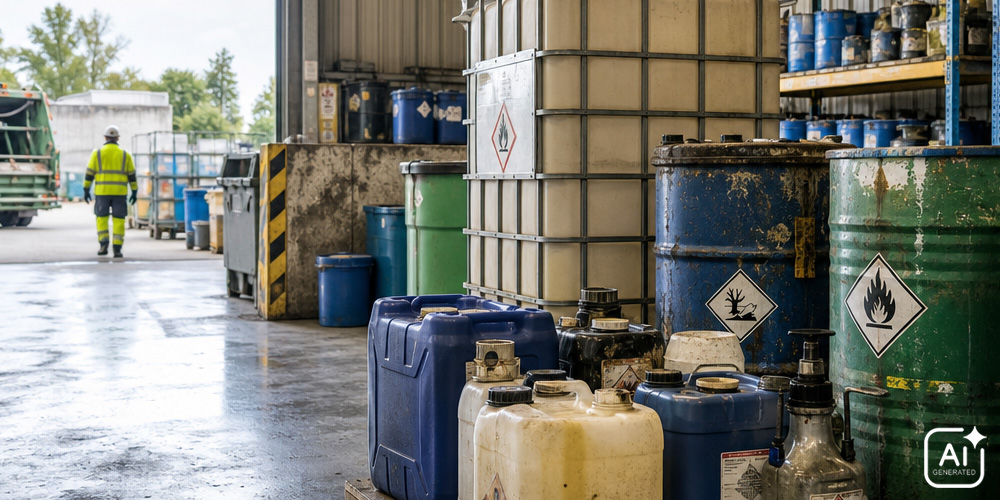
Hazardous Materials Storage Facilities, Collection Points, and Temporary Storage Facilities
At collection points and temporary storage facilities, hazardous waste is often received, sorted, and stored in various types of containers. Damaged or leaking containers can lead to the release of hazardous gases and vapors.
The formation of explosive atmospheres can pose a significant hazard, particularly in the case of flammable liquids and other combustible substances.
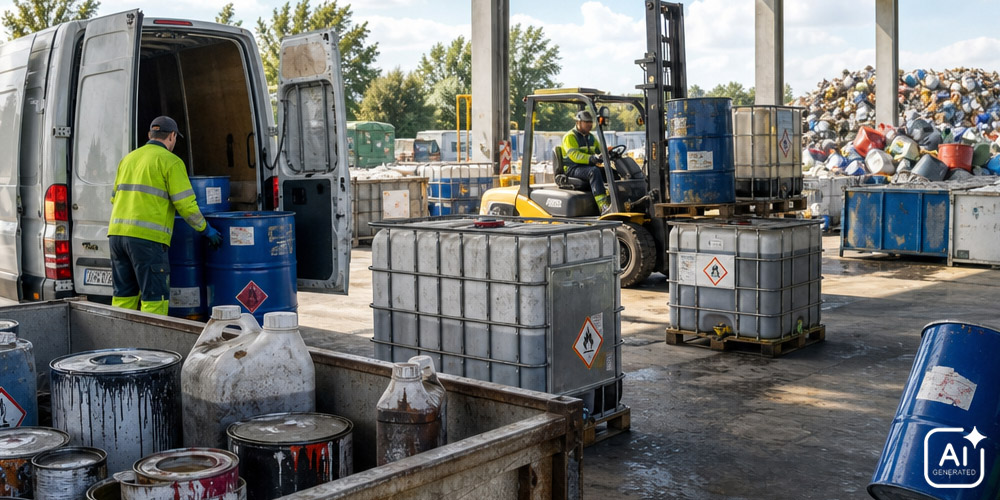
Receiving and Handling
During delivery and internal transport, waste is moved, sorted, and handled. It is not always immediately apparent whether a container is damaged or what substances it actually contains.
An unnoticed leak can quickly create a hazardous atmosphere, particularly in enclosed or poorly ventilated areas.
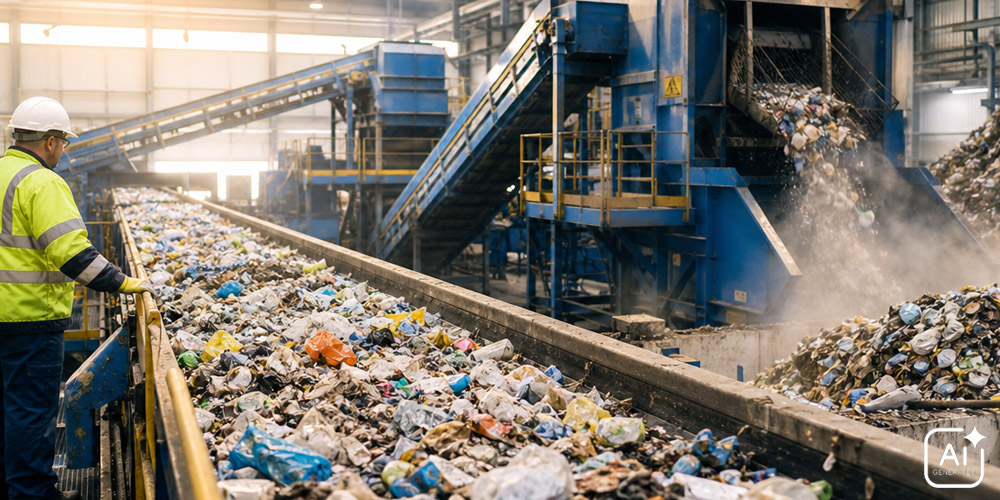
Sorting, Recycling, and Conveyor Systems
Gases and vapors may be released during the sorting, shredding, and processing of waste. Hazardous gases may also accumulate or be released in waste storage areas, conveyor zones, and transfer points. In addition, substances contained in the waste may react with one another.
Continuous gas monitoring can help detect relevant concentrations early on and trigger an alarm if defined thresholds are exceeded.
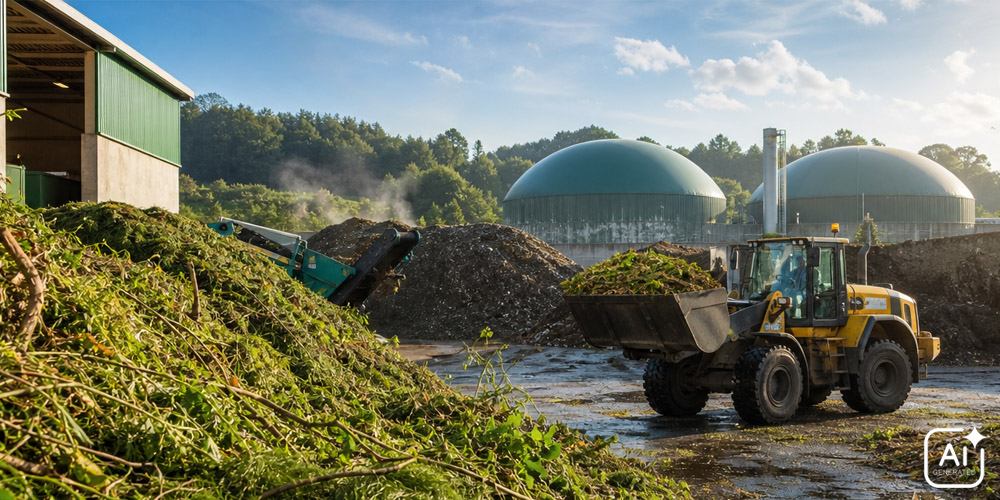
Biological Waste Treatment and Organic Waste
Various gases can be produced during the decomposition of organic materials and biological treatment processes such as composting, anaerobic digestion, or mechanical-biological waste treatment. Depending on the process and the materials used, particularly relevant gases include , for example , methane, carbon dioxide, hydrogen sulfide, ammonia, and carbon monoxide.
Flammable, toxic, or asphyxiating gases can also be produced during the treatment of biogas and digester gas .
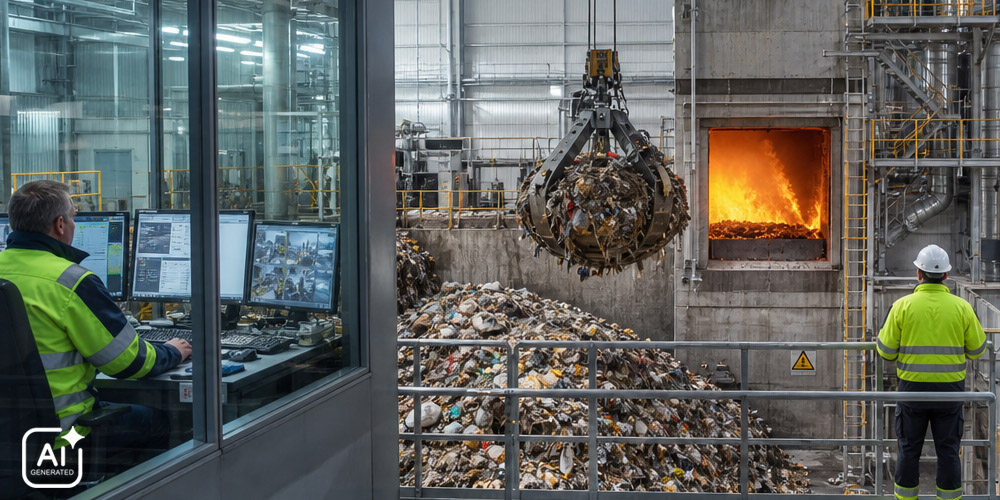
Waste Incineration and Exhaust Gas Treatment
Various gases can be produced during the thermal treatment of waste.
For example, waste-to-energy and thermal treatment facilities can produce CO, NO, NO₂, SO₂, or other pollutants.
Continuous monitoring of process gases and exhaust gases can serve both to protect employees and equipment and to monitor defined emission levels.
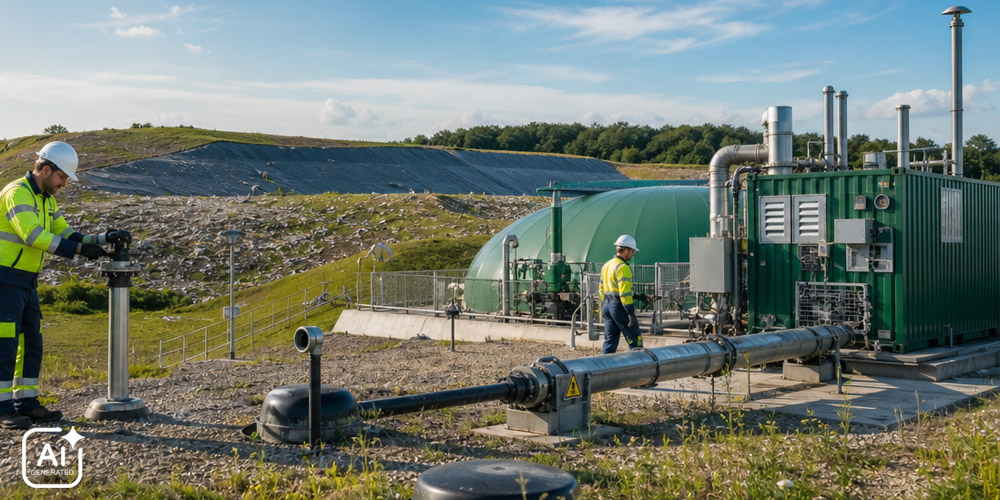
Landfills and Landfill Gas
The decomposition of organic waste in landfills can produce, among other things , methane, carbon dioxide, and hydrogen sulfide. Landfill gas can be captured via gas wells and piping systems and, for example, used to generate energy. Monitoring landfill sites, gas wells, gas pipelines, equipment rooms, and equipment containers can be an important part of the safety plan.
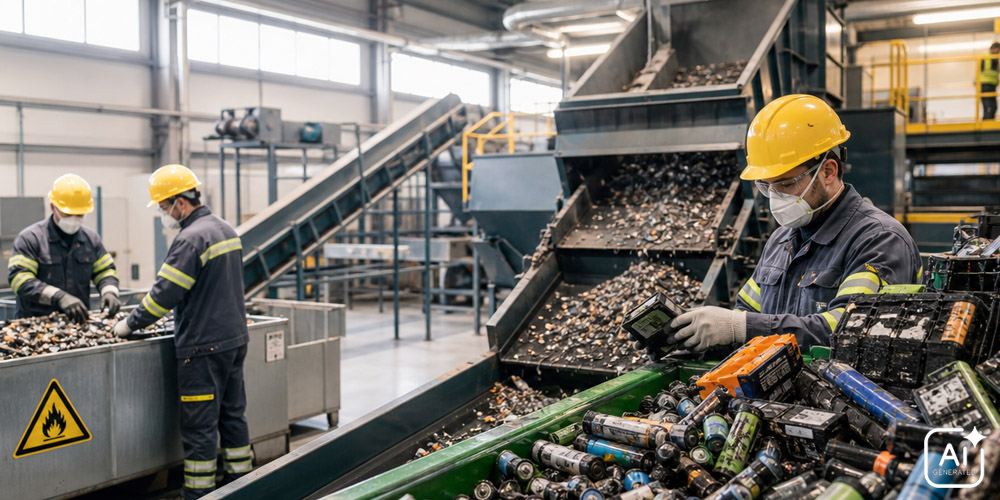
Battery Recycling and Used Batteries
During the collection and recycling of lithium-ion batteries, damage, malfunctions, or thermal runaway can result in the release of flammable, toxic, and, in some cases, explosive gases. Continuous gas monitoring can help detect hazardous releases early on, particularly in storage, sorting, and recycling areas.
Continuous gas monitoring is an important part of the safety plan, particularly during mechanical crushing and shredding
What hazards need to be identified?
Risk of Explosion
Flammable gases and vapors can form explosive mixtures when combined with air. This can occur, for example, with methane, hydrogen, or flammable vapors. Continuous gas monitoring can be part of a comprehensive fire and explosion protection plan.
Risk of Poisoning
Toxic gases can be harmful to health even at low concentrations. In waste management, for example, hydrogen sulfide, ammonia, or carbon monoxide may be of concern. Since dangerous concentrations cannot be reliably detected by human senses, technical monitoring can play an important role in occupational safety.
Oxygen deficiency
Gases such as carbon dioxide or other oxygen-displacing gases can reduce the oxygen content of the ambient air. This can create a hazardous atmosphere, particularly in enclosed spaces, shafts, or poorly ventilated areas.
Unexpected Release
A particular challenge in waste disposal and recycling is that the contents and composition of delivered materials are not always fully known. While a gas detection system is no substitute for hazardous substance identification or risk assessment, it can provide an additional layer of safety when there is a possibility of an unexpected release of hazardous gases.
Which gases are particularly relevant in waste management?
Which gases should be monitored depends on the specific application and the waste materials involved. Common candidates include:
Methane can be produced, in particular, during the decomposition of organic waste, at landfills, and during biological treatment processes. This flammable gas can form explosive mixtures when combined with air.
Hydrogen sulfide can be produced during the decomposition of sulfur-containing organic materials. The gas is toxic, flammable, and heavier than air.
Ammonia can be produced, among other things, during the decomposition of nitrogen-containing organic materials or during certain waste treatment processes. The gas is toxic and, depending on its concentration, can pose a significant health hazard.
Carbon dioxide can be produced during biological decomposition processes and in landfill areas, displacing oxygen. This can create a hazardous atmosphere in enclosed or poorly ventilated areas.
Carbon monoxide can be produced, particularly during thermal processes or incomplete combustion. This colorless, odorless gas is highly toxic.
- Nitrogen oxides (NO / NO₂)
Nitrogen oxides can also be produced during combustion processes and are toxic and irritating.
Sulfur dioxide is toxic and irritating. It can be produced during the processing and decomposition of sulfur-containing materials.
Chlorine is also toxic; it is produced, for example, during unwanted chemical reactions or when chlorine-containing substances are released.
It is not only the presence of a hazardous gas that can pose a problem. An oxygen level that is too low can also pose an immediate danger to employees.
- Other Toxic and Flammable Gases | VOCs
Depending on the type of waste accepted, other gases and vapors may be relevant—for example, solvent vapors, hydrocarbons, or other toxic or flammable substances. Volatile organic compounds can occur particularly during the disposal and treatment of solvents, paints, varnishes, fuels, or other organic substances.
The selection of measurement gases should therefore always be based on the specific hazardous substances and the risk assessment.
Storing hazardous materials in the waste management sector is particularly challenging
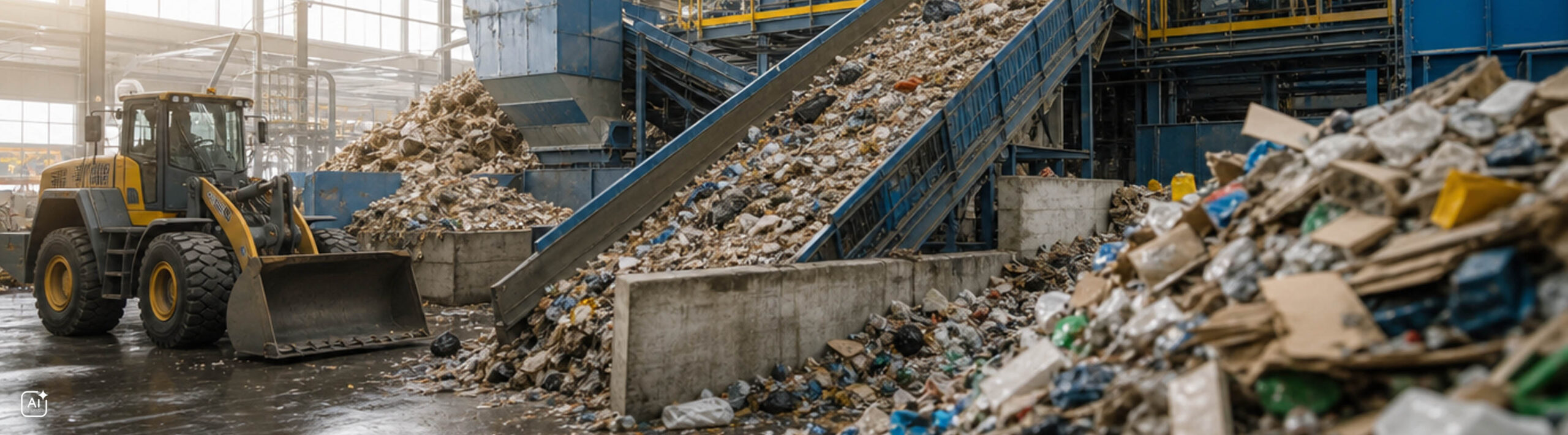
The composition of waste can vary greatly. As a result, the requirements for a gas detection system also differ from facility to facility. Key factors include, for example:
- What types of waste are accepted?
- What hazardous substances might it contain?
- In what quantities and containers are they stored?
- Where can leaks or releases occur?
- What chemical or biological processes take place?
- How are the rooms ventilated?
- Can explosive atmospheres form?
- What protective measures should be triggered when an alarm goes off?
Only when these factors work together can the right gas detection solution be found.
German Regulations for the Storage of Hazardous Substances in Waste Management
The storage and handling of hazardous waste are subject to various requirements under hazardous substances, occupational safety, and explosion protection regulations.
- TRGS 520 specifies requirements for the establishment and operation of collection points and temporary storage facilities for small quantities of hazardous waste. Among other things, it includes requirements for fire and explosion protection.
- DGUV Rule 114-602, “Waste Management Industry—Part II: Waste Treatment,” addresses, among other things, hazards posed by hazardous substances, fire and explosion hazards, and hazards associated with waste delivery and internal transport.
- The specific hazard situation must be assessed to determine which gas detection technology is actually necessary and appropriate. Key factors in this assessment include the target gas, potential concentrations, room geometry, ventilation, hazardous areas, sensor placement, and the planned protective measures.
- BG RCI Information Sheets T 021 and T 023 are particularly relevant for the design and operation of gas detection systems. T 021 covers gas detection systems for toxic gases and vapors as well as oxygen, while T 023 describes requirements and guidelines for gas detection systems in explosion-protected areas. Both technical guidelines provide important information on the selection, design, commissioning, operation, maintenance, and repair of gas detection systems.
- For more in-depth knowledge, up-to-date information, and fact sheets on the topic of potentially explosive atmospheres, please visit the Exinfo – the BG RCI’s explosion protection portal.
The Right Sensor Technology for Every Application
Different gases and vapors require different measurement methods.
- For flammable gases and vapors such as methane or certain hydrocarbons, catalytic sensors or infrared technology are used, for example, depending on the gas being measured and the application.
- Electrochemical sensors are often used to detect toxic gases such as hydrogen sulfide, ammonia, or carbon monoxide.
- Appropriate oxygen sensors are used to monitor oxygen deficiency.
In addition to sensor technology, proper positioning is also crucial. Density, buoyancy, potential sources of leakage, room geometry, and airflow all influence the optimal position of the measurement points.
Gas Detection Technology for Potentially Explosive Areas – Safety Through Coordinated System Technology
Explosive atmospheres can form during the storage and handling of certain types of waste. Where flammable gases or vapors may be present, the gas detection technology used must be suitable for the specific application and the designated hazardous area.
The key factor is the interaction between
- appropriate measurement method
- suitable explosion-proof version
- Proper sensor positioning
- reliable signal transmission
- defined alerting
- and the technical safeguards provided for.
This allows ventilation systems to be activated, electrical systems to be shut down, or access points to be locked. These automated protective measures are crucial for taking swift and targeted action in an emergency—especially in areas where employees are regularly present or where ignition sources are present.
From Measurement to Protective Measures
A gas detection system is more than just a single sensor.
Measure – Analyze – Alert – Respond
Gas detectors continuously monitor the concentration of relevant gases in real time. The measured values are analyzed and compared with defined alarm and trip thresholds.
If the limit is exceeded, depending on the safety plan, for example,
- visual and audible warning systems activated,
- Ventilation systems controlled,
- Operational areas shut down,
- Forwarding Reports to a Control Center
- or other defined protective measures are triggered.
This transforms a simple measurement into a comprehensive security system.
Gas Detection Solutions from Bieler+Lang
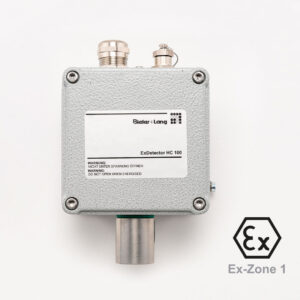
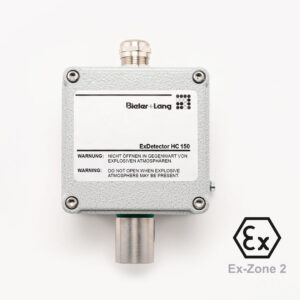
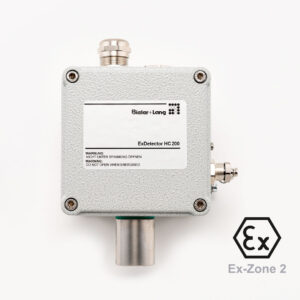
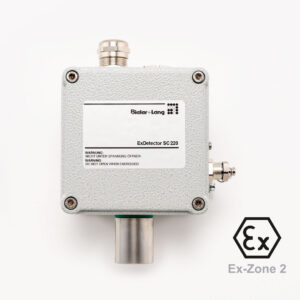
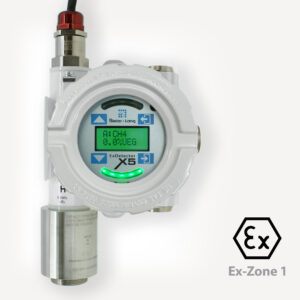
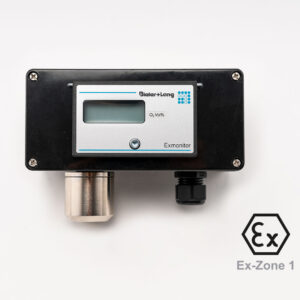
Bieler+Lang develops, manufactures, distributes, and installs gas detection technology for the continuous monitoring of flammable and toxic gases, as well as oxygen. Our systems can be tailored to various applications in hazardous material storage facilities, collection points, and recycling and waste treatment plants.
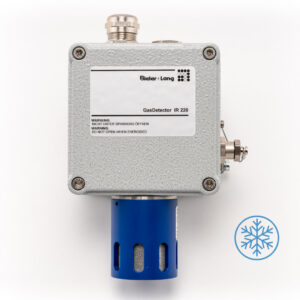
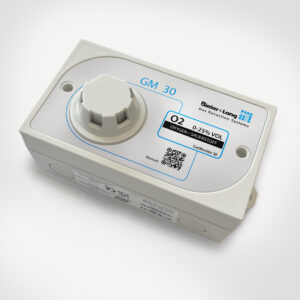
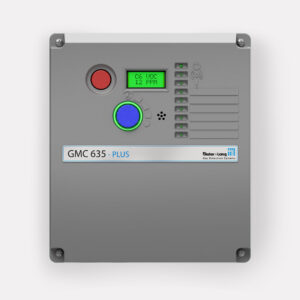
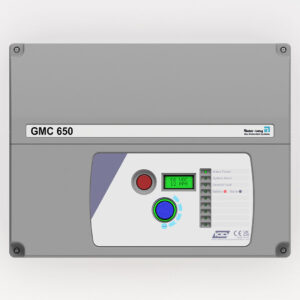
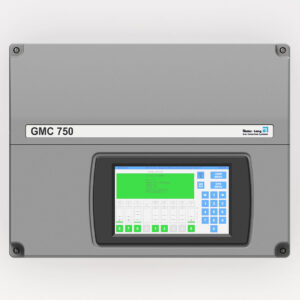
Gas detection systems customized for your specific application—system components:
From individual monitoring points to highly complex, centrally monitored gas detection systems or additional digital remote monitoring via GasNet™ from the safe monitoring group , we can accommodate a wide variety of requirements. Let us advise you.

Security doesn’t end with installation—our service
A gas detection system is a safety-critical system. Its reliable operation must therefore be ensured at all times. Regular maintenance, inspection, and calibration ensure that sensors and control units operate reliably and that alarms are triggered correctly in an emergency.
Bieler+Lang supports operators throughout the entire life cycle of their gas detection system—from planning and commissioning through maintenance and calibration to service and troubleshooting. Upon request, our premium maintenance contract with a 24/7 hotline for fault reports is also available to you —around the clock.
Are you planning a gas detection system for the waste management industry?
Measure accurately. Warn early. Respond reliably. Whether it’s a hazardous materials storage facility, a collection point, a temporary storage facility, a sorting plant, a recycling facility, or a waste treatment plant, Bieler+Lang offers gas detection solutions for a wide variety of applications—from a single monitoring point to a comprehensive gas detection system. We manufacture and install exceptionally robust, precise, and low-maintenance gas detection technology. Explosion-proof sensors with high long-term stability and digital communication (e.g., via Modbus, Profibus, or Ethernet) enable integration into higher-level building management systems. This allows all safety-critical processes to be centrally monitored, documented, and analyzed—including for audits or in accordance with emergency response regulations.
The requirements for a gas detection system always depend on the specific substances, processes, and spatial conditions. Bieler+Lang supports planners, system integrators, and operators in selecting, designing, and implementing suitable gas detection solutions.
Talk to our experts about your application. We’d be happy to advise you. Bieler+Lang – Gas detection technology for safe waste management.
Conclusion on Permanently Installed Gas Detection Systems in the Waste Management Industry
Gas detection systems in hazardous material storage facilities within the waste management industry are far more than just a legal requirement—they are a key component of workplace safety, environmental safety, and economic stability. Companies in the waste management and recycling industry that rely on modern, integrable gas detection systems are investing in sustainability, risk prevention, and future-proofing. Early detection of hazardous gas concentrations can also help reduce unplanned operational downtime and incidents. At the same time, gas detection systems help companies meet occupational safety and environmental requirements, as well as comply with relevant management standards such as ISO 45001 and ISO 14001.