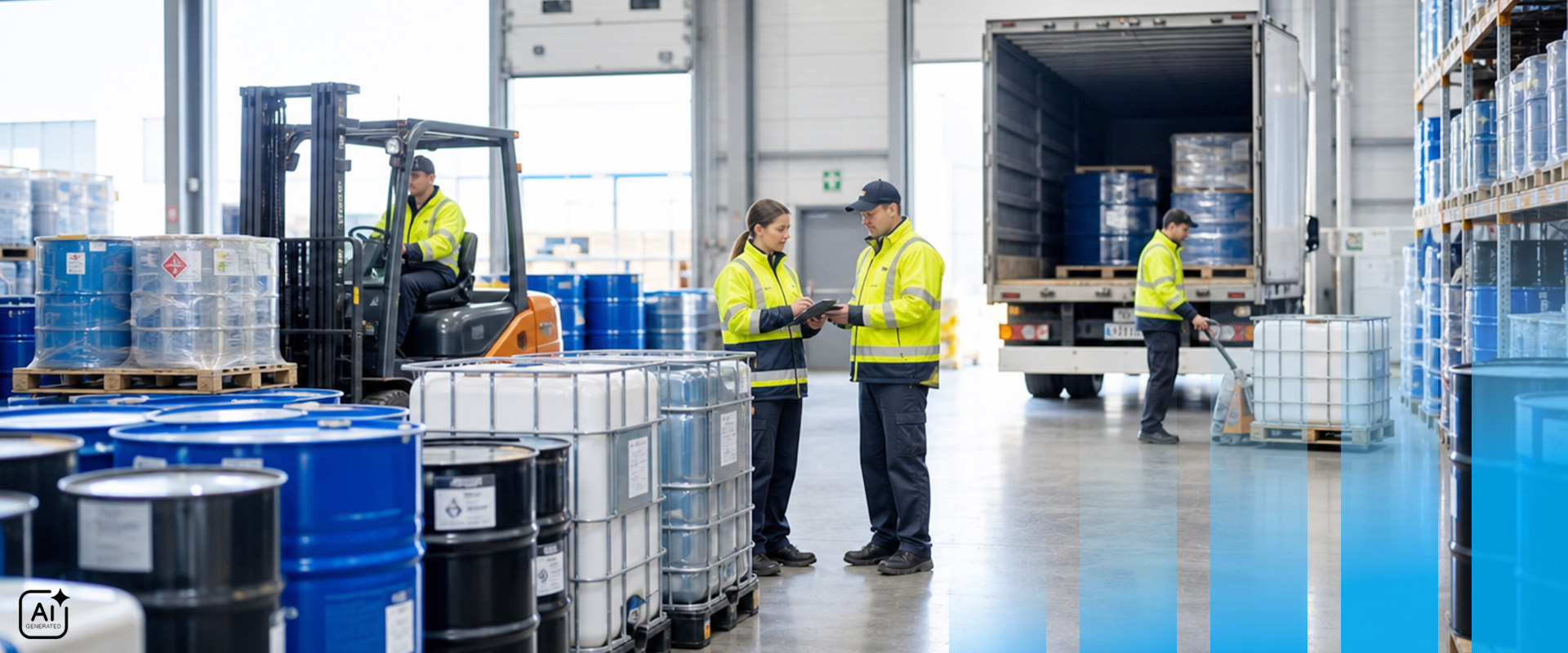
Gas Detection Technology for Freight Forwarding, Logistics, and Hazardous Materials Storage Facilities
Store, handle, and transport hazardous materials safely
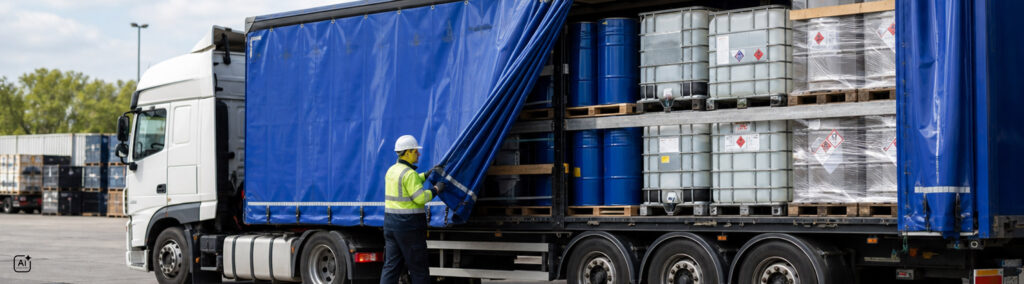
Safety and prevention are essential in the professional handling of hazardous materials
In the freight forwarding and logistics industry, handling hazardous substances and dangerous goods is part of day-to-day operations. They are received, temporarily stored, picked, handled, and transported onward. This process involves a wide variety of substances, processes, and hazardous situations. Damaged packaging, leaking containers, or escaping gases and vapors can quickly pose a danger to people, equipment, and operational processes.
A permanently installed gas detection system can detect such hazards early on. The gas detection system continuously monitors the concentration of relevant gases and vapors, enabling it to issue timely warnings when concentrations reach critical levels and to initiate defined protective measures.
Gas detection systems not only help meet legal requirements and ensure employee safety, but also minimize business risks. Production interruptions, liability claims, insurance claims, and reputational damage can be effectively prevented through proactive safety measures. At the same time, these systems support compliance with occupational safety regulations, environmental requirements, and relevant management standards such as ISO 45001 and ISO 14001.
Gas Detection Technology in Freight Forwarding and Logistics—A Brief Overview:
Today, logistics is highly automated and designed for maximum availability. At the same time, a wide variety of substances are handled and stored in logistics centers and hazardous materials warehouses.
Depending on the business, the following may include, among other things,
- flammable gases and vapors,
- toxic gases,
- Gases that displace oxygen,
- Compressed gases,
- Liquefied gases,
- Hydrogen
- or exhaust fumes from industrial trucks and vehicles
be relevant.
The risk does not arise solely from storage itself. Hazardous substances can also be released uncontrollably during loading and unloading, during internal transport, or due to damaged containers.
In most cases, a gas detection system is used for
- Early detection of gas and vapor leaks —that is, before dangerous concentrations develop
- Warning to Employees and Managers
- Preventing the Risks of Poisoning, Suffocation, Fire, and Explosion
- Monitoring of designated storage, handling, and work areas
- automatic initiation of specified protective measures
- Control of Ventilation and Safety Systems
- Forwarding Alarms to Higher-Level Systems
- Reliable monitoring even in areas at risk of explosion (Ex zones).
Which gases are monitored and which technical solution is required always depends on the specific application, the hazardous substances present, the spatial conditions, and the risk assessment.
Where do gas hazards arise in the freight forwarding and logistics industries?
Not every area of a logistics center is equally at risk. The key factors are the substances used and stored, as well as the processes during which these substances may be released.
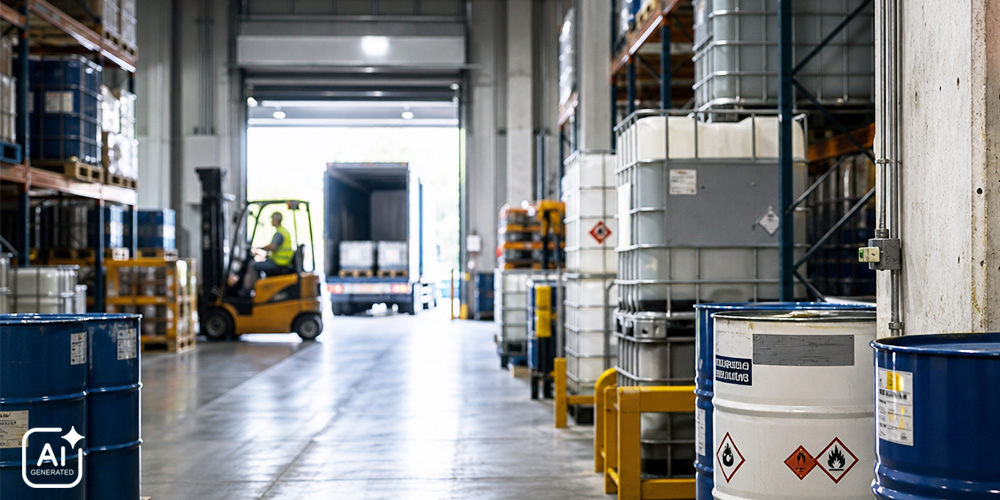
Hazardous Substance and Dangerous Goods Storage Facilities
Hazardous materials storage facilities hold substances in various types of containers and quantities. Damaged packaging, leaking containers, or spills can cause hazardous gases or vapors to escape into the air.
Depending on the substance, various hazards can arise: ranging from toxic concentrations to the formation of explosive atmospheres.
A stationary gas detection system can continuously monitor defined areas and provide early warning in the event of a critical concentration.
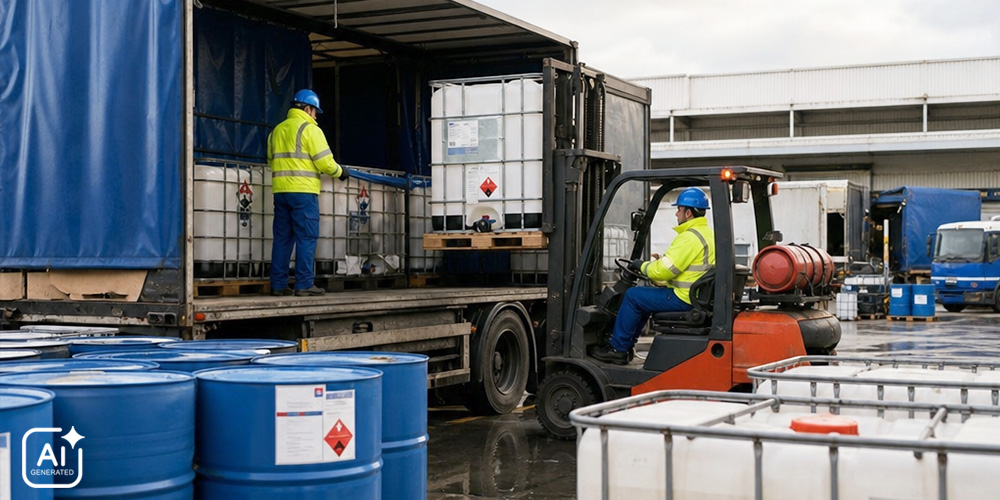
Transshipment and Loading
During loading and unloading, hazardous materials are moved, sorted, and transferred between different modes of transportation.
Damage to containers or vessels can occur, particularly during handling. If a leak is not detected immediately, gases or vapors can spread throughout the work area.
A gas detection system can detect such releases regardless of whether individual employees are aware of them and automatically trigger an alarm.
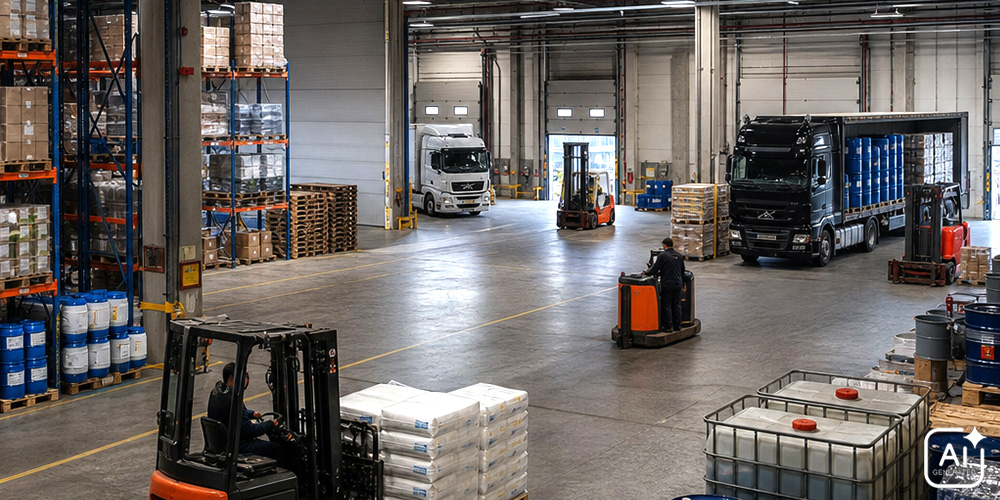
Warehouse and Logistics Facilities
Gas hazards can also occur outside of traditional hazardous materials storage facilities.
Depending on their use, vehicles with internal combustion engines, gas-powered industrial trucks, technical equipment, or stored substances, for example, can become relevant sources of emissions.
In large indoor spaces with varying airflows, the proper selection and positioning of the sensors is particularly crucial.
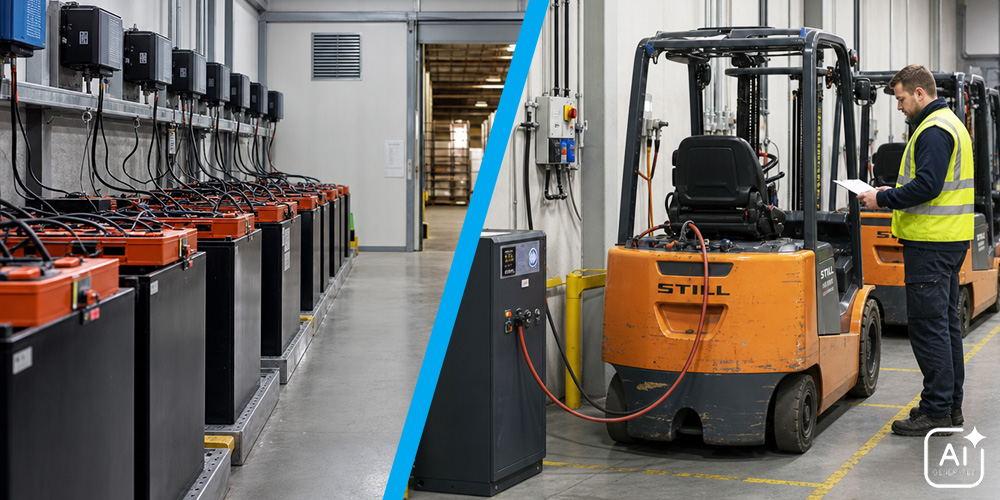
Battery storage areas and electric forklifts
Charging certain batteries can produce hydrogen. This colorless, odorless gas is highly flammable and can form explosive mixtures when combined with air.
In enclosed battery charging areas, monitoring hydrogen concentrations can therefore be part of the safety plan.
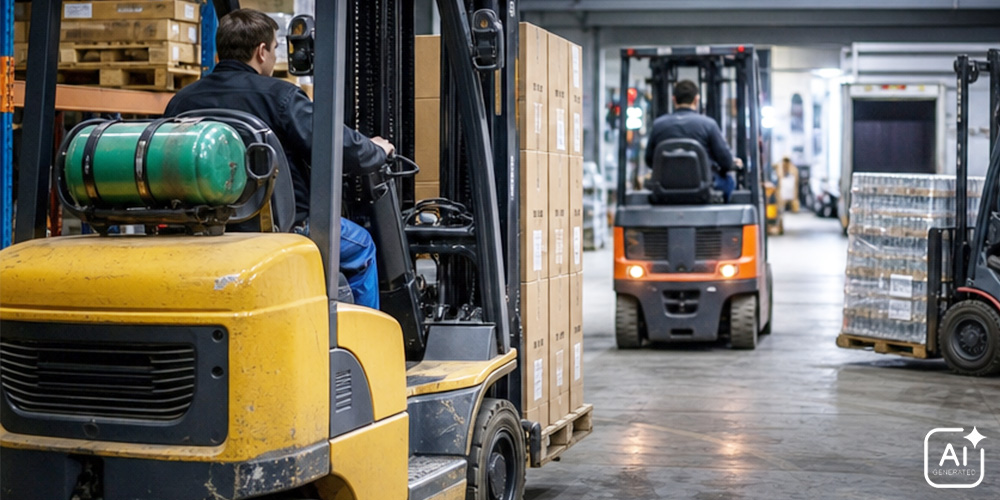
Industrial Trucks and Forklifts
Material handling vehicles are used around the clock in logistics. In addition to electric vehicles, gas-powered or internal combustion engine-powered forklifts are also used, depending on the application.
In the case of liquefied petroleum gas (LPG) vehicles, for example, propane or butane may be released. Internal combustion engines can produce carbon monoxide and nitrogen oxides , among other substances.
The type of monitoring required depends on the drive system used, the spatial conditions, and the relevant risk assessment.
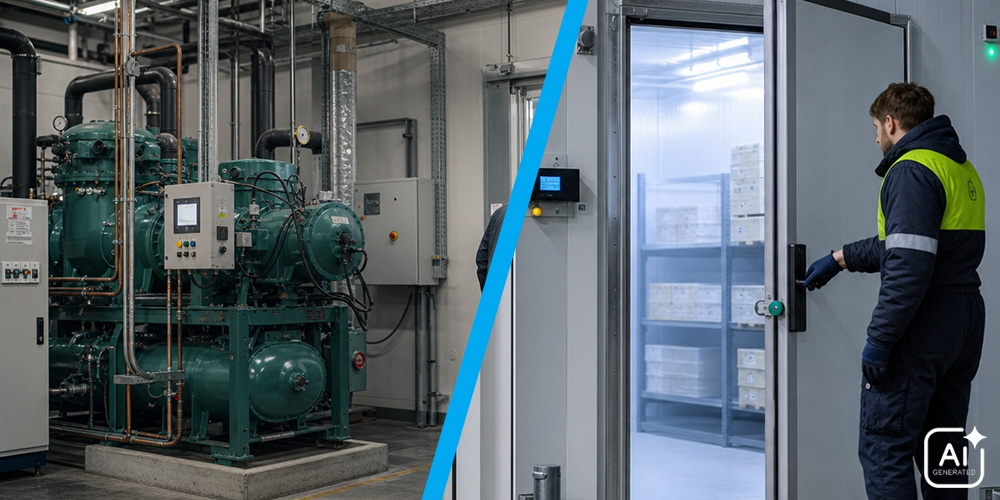
Utility Rooms and Refrigeration Systems
Technical systems within a logistics center may also require gas monitoring.
These include, for example, refrigeration systems, heating systems, or areas containing compressed gases. Depending on the medium used, flammable or toxic gases may be released.
In this case, the gas detection technology must be tailored to the specific gas being measured and the particular technical environment.
What hazards need to be identified?
Gas detection technology in the freight forwarding and logistics industries must be capable of addressing a wide variety of hazards. A gas detection system is not required across the board in every logistics facility. The specific need for and design of such a system depend on the substances present, the hazards involved, and the risk assessment:
Risk of Explosion
Flammable gases and vapors can form explosive mixtures when combined with air. Early detection of rising concentrations can be part of a comprehensive explosion protection strategy.
Risk of Poisoning
Toxic gases can be harmful to health even at very low concentrations. Since many of these gases cannot be reliably detected by smell or other human senses, technical monitoring is particularly important.
Oxygen deficiency
Gases can displace the oxygen in a room. This can create a hazardous atmosphere, even if the displacing gas itself is not toxic.
Fire and Operational Hazards
An undetected gas leak can endanger more than just people. It can also damage equipment, goods, and entire business operations.
In logistics in particular, unplanned downtime can have a significant impact on supply chains and processes.
Which gases are relevant in the freight forwarding and logistics industries?
The specific gas that needs to be monitored always depends on the particular application. Typical examples—in addition to many more exotic gases and mixtures—include:
Hydrogen can be produced, for example, when charging certain batteries. This very light gas rises and can accumulate under ceilings or in other high areas if ventilation is inadequate. The primary concern here is the risk of explosion.
A toxic (and also explosive) gas that can be particularly relevant in refrigeration systems and during the storage of such hazardous substances.
Liquefied petroleum gas is used, among other things, as fuel for industrial trucks. In the event of a leak, propane or butane may escape. Both gases are heavier than air and can therefore accumulate, particularly in lower-lying areas.
Methane is the main component of natural gas and can be relevant, for example, in heating systems or other technical installations. If it leaks, it can form an explosive mixture when combined with air.
Carbon monoxide is produced during incomplete combustion processes. In enclosed spaces, it can be generated, for example, by vehicles or industrial trucks with internal combustion engines. This colorless, odorless gas is highly toxic.
Flammable gas that can create explosive atmospheres in the event of a leak.
- Nitrogen oxides (NO / NO₂)
Nitrogen oxides can also be produced during combustion processes. They can be a significant concern for indoor air quality, particularly in enclosed warehouses or loading and unloading areas.
Depending on the hazardous substances being stored or transported, many other toxic gases or vapors may be relevant—including some that are rarely detected. Therefore, the substances that need to be monitored must always be determined based on the specific hazardous substances present and the particular hazard situation.
It is not only a hazardous gas itself that can pose a danger. A change in the oxygen content can also have safety implications. If oxygen is displaced by other gases, a hazardous low-oxygen atmosphere can develop.
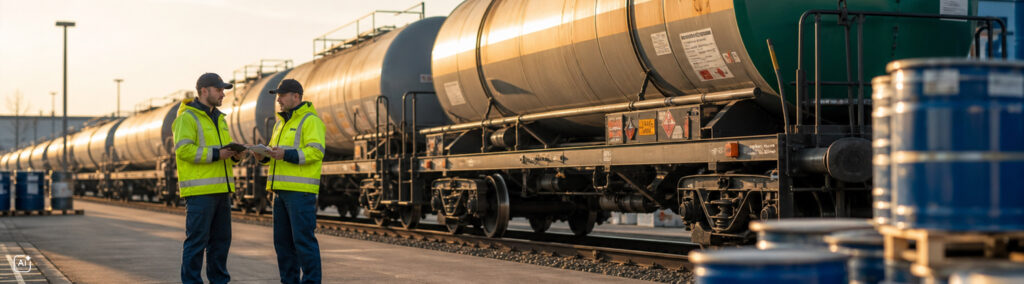
Not all hazardous materials storage facilities are the same
The requirements for a gas detection system cannot be determined based solely on the designation of an area. A hazardous materials storage facility can have a wide variety of conditions. Key factors include, for example:
- What materials are stored?
- In what quantities and containers?
- What substances could be released in the event of an incident?
- Where is a leak most likely to occur?
- How do the various gases or vapors behave?
- How is the room ventilated?
- Are there designated hazardous areas (ATEX Directive)?
- Who is in the surveillance area?
- Strategic Responses and Procedures in the Event of an Alarm?
Only when these factors work together can the right gas detection solution be found.
German regulations governing gas detection technology for hazardous substances
When it comes to the storage and handling of hazardous substances, various regulations, technical standards, and safety protocols are interrelated.
For gas detection technology, BG RCI Information Sheets T 021 and T 023 are particularly relevant.
Technical Information Sheet T 021 / DGUV Information 213-056 covers gas detection systems and devices for toxic gases and vapors, as well as oxygen. Among other things, it provides guidance on design, initial commissioning, use, maintenance, and repair.
Technical Information Sheet T 023 / DGUV Information 213-057 covers gas detection systems for explosion protection and provides guidance on, among other things, selection, design, initial commissioning, operation, and maintenance.
Important: T 021 and T 023 are not standalone legal standards. They reflect the state of the art and serve as important evaluation criteria in the context of risk assessment. This also applies to the logistics sector: It is not the industry alone that determines the gas detection system—but rather the specific hazard.
How does gas detection technology work in logistics?
Gas detection systems continuously monitor the concentration of relevant gases. Rather than reacting only after a dangerous situation has already become apparent, rising concentrations can be detected early, triggering defined responses. Typically, the process consists of four steps:
1. Measurement —Gas detectors continuously monitor the concentration of relevant gases within their respective monitoring areas.
2. Transmission —The measured values are transmitted to a central processing unit.
3. Evaluation —The measured values are compared with the defined alarm and switching thresholds.
4. Respond —At certain concentrations, warning systems, ventilation systems, or other safety devices can be activated automatically. Alarms can also be relayed to higher-level systems or a control center.
This transforms individual monitoring points into a comprehensive safety system. Modern stationary gas detection systems enable continuous monitoring of the ambient air for hazardous gas concentrations. Exceeding defined thresholds triggers automatic measures in real time—including audible and visual alarms, the activation of ventilation systems, or the shutdown of affected operational areas.
Upon request, the systems can be seamlessly integrated into existing warehouse management or building automation systems and can be connected to central control stations via Modbus, Ethernet, or an analog interface. This not only enables an immediate response to hazardous situations but also ensures comprehensive documentation of safety-related data.
Early detection of potentially hazardous gases is crucial, especially in transshipment warehouses where forklifts, loading units, or high-bay racking systems are used. Many of these warehouse areas are difficult to monitor, are subject to changing environmental conditions, and must meet high throughput requirements.
The Right Sensor Technology for Every Application
Different gases require different measurement methods.
- Electrochemical sensors are often used to detect toxic gases such as CO, NO, NO₂, or certain other hazardous substances.
- For flammable gases such as hydrogen, methane, propane, or butane, catalytic sensors or infrared technology —for example—can be used, depending on the gas being measured and the application.
- A suitable oxygen sensor system is used to measure oxygen levels.
It is not only the measurement method that is crucial. The proper positioning of the sensors also plays a key role. Density, buoyancy, potential sources of leakage, room geometry, ventilation, and airflows must all be taken into account during the planning phase.
Gas Detection Technology for Potentially Explosive Areas
Special requirements apply wherever flammable gases or vapors are released and can form an explosive atmosphere when mixed with air. The gas detection technology must be suitable for the specific application and the intended hazardous area. Among other things, it must
- Gas and Steam Cycle
- possible concentrations
- Ex-Zone
- Spatial Geometry
- Ventilation
- Sensor Position
- Measurement Methods
- Alerting
- and the planned protective measures
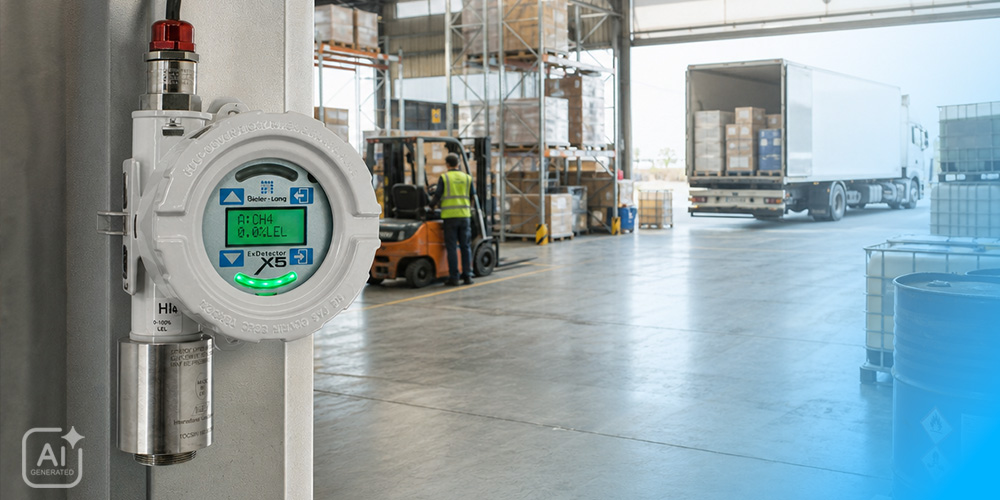
must be coordinated. For gas detection systems used in explosion protection, BG RCI Technical Information Sheet T 023 outlines the relevant selection and design criteria as well as requirements for operation and maintenance.
From Measurement to Protective Measures
A gas detection system is more than just a sensor. It is the combination of measurement, analysis, alarm activation, and response that makes gas monitoring an effective safety system.
Depending on the application, an alarm may, for example,
- visual and audible warning systems activated,
- Ventilation systems controlled,
- Machines or equipment shut down,
- affects inputs or processes,
- Forwarding Reports to a Control Center
- or other defined security measures are triggered.
The specific measures that will actually be implemented depend on the safety plan and the risk assessment.
Gas Detection Solutions from Bieler+Lang for Freight Forwarding and Logistics
Bieler+Lang develops and manufactures gas detection technology for the continuous monitoring of flammable and toxic gases, as well as oxygen. The product range extends from individual monitoring points to complex, centrally monitored gas detection systems. Our solutions can be tailored to meet a variety of requirements in warehousing, transshipment, and logistics areas and can be integrated into existing technical systems.
The specific product selection depends on the measurement gas, application, explosion protection requirements, and system architecture.
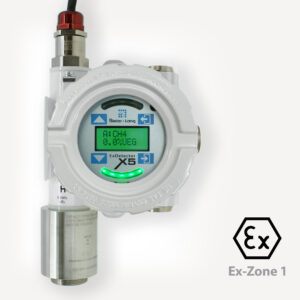
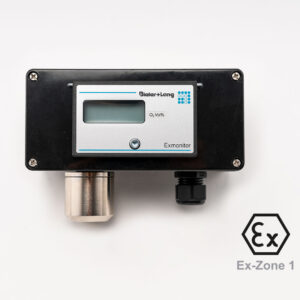
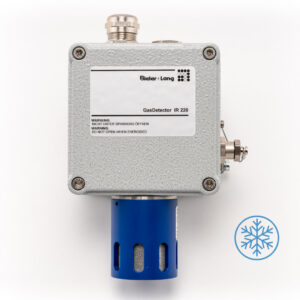
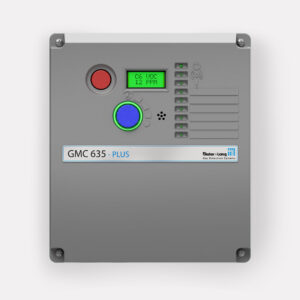
Possible system components for a gas detection system in hazardous materials storage facilities in the logistics industry—we’d be happy to advise you:


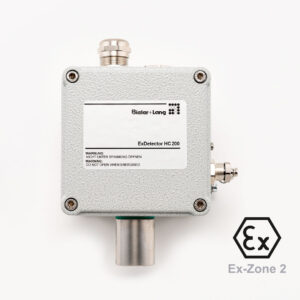
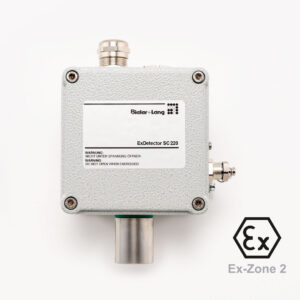


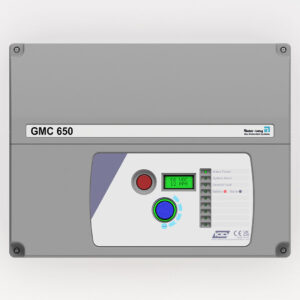
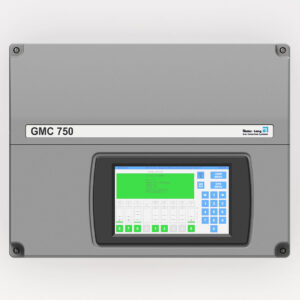
Security that grows with your logistics operations
Logistics centers are changing. New warehouse areas are being added, processes are being automated, different hazardous materials are being stored, and technical systems are being expanded. Gas detection technology must therefore remain flexible as well.
A modern system architecture allows for the addition of new measurement points and the integration of additional functions without having to rebuild the entire system. This ensures reliability not only for current operations but also for future requirements.
Security doesn’t end with installation
A gas detection system is a safety-critical system. Its reliability must therefore be ensured at all times. Regular maintenance, inspection, and calibration ensure that sensors and control units operate reliably and that alarms are triggered correctly in an emergency. Bieler+Lang supports operators throughout the entire lifecycle of their gas detection system —from planning and commissioning through maintenance and calibration to service and troubleshooting. Upon request, our premium maintenance contract , which includes a 24/7 hotline for reporting malfunctions , is also available to you around the clock.
Are you planning a gas detection system for a freight forwarding company, logistics firm, or hazardous materials warehouse?
Whether it’s a new construction, a retrofit, or an expansion: The requirements for a gas detection system always depend on the specific application, the hazardous substances present, the spatial conditions, and the respective risk assessment. Bieler+Lang supports planners, system integrators, and operators in selecting, designing, and implementing suitable gas detection solutions. Talk to our experts about your application. We’d be happy to advise you.
Conclusion:
Gas detection systems are an indispensable tool for hazard prevention in hazardous material storage facilities used by freight forwarding and logistics companies. They protect employees, infrastructure, and the environment, comply with legal requirements, and enhance operational safety. For business owners, investing in modern gas detection technology not only minimizes risk but also ensures long-term security and sustainable competitiveness in the logistics sector.
Bieler+Lang offers gas detection solutions for a wide variety of applications—from a single monitoring point to a comprehensive gas detection system.
Measure accurately. Warn early. Respond reliably. Rugged, low-maintenance gas sensors with explosion-proof certification ensure that operations remain safe even under demanding conditions—around the clock.