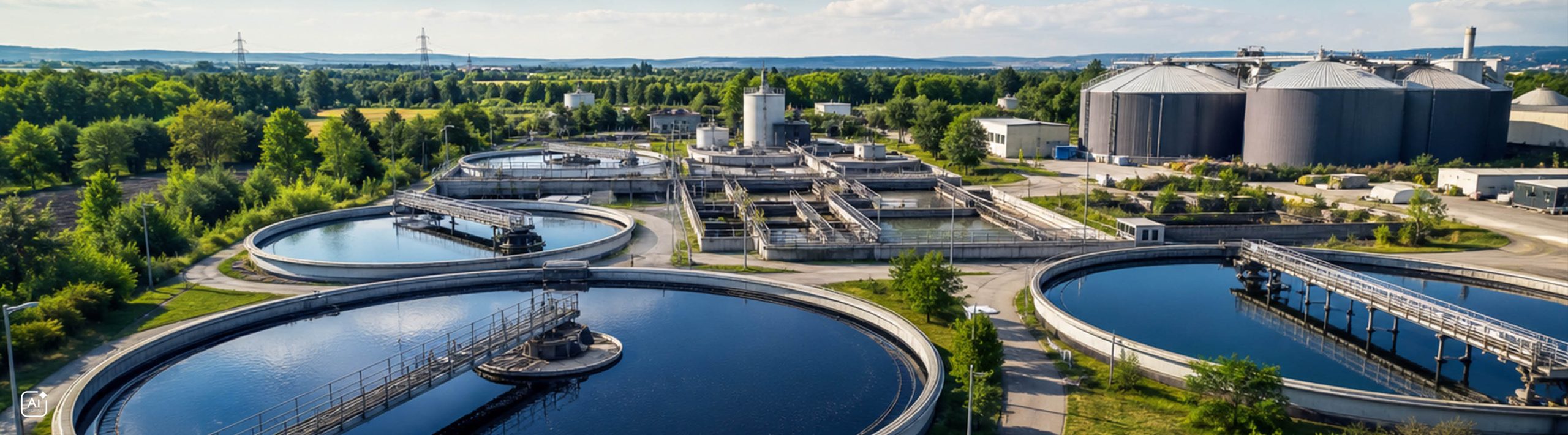
Gas Detection Systems for Sewage Treatment Plants and Wastewater Treatment Facilities
Permanently installed gas detection systems for wastewater treatment plants ensure safety at every stage of wastewater treatment
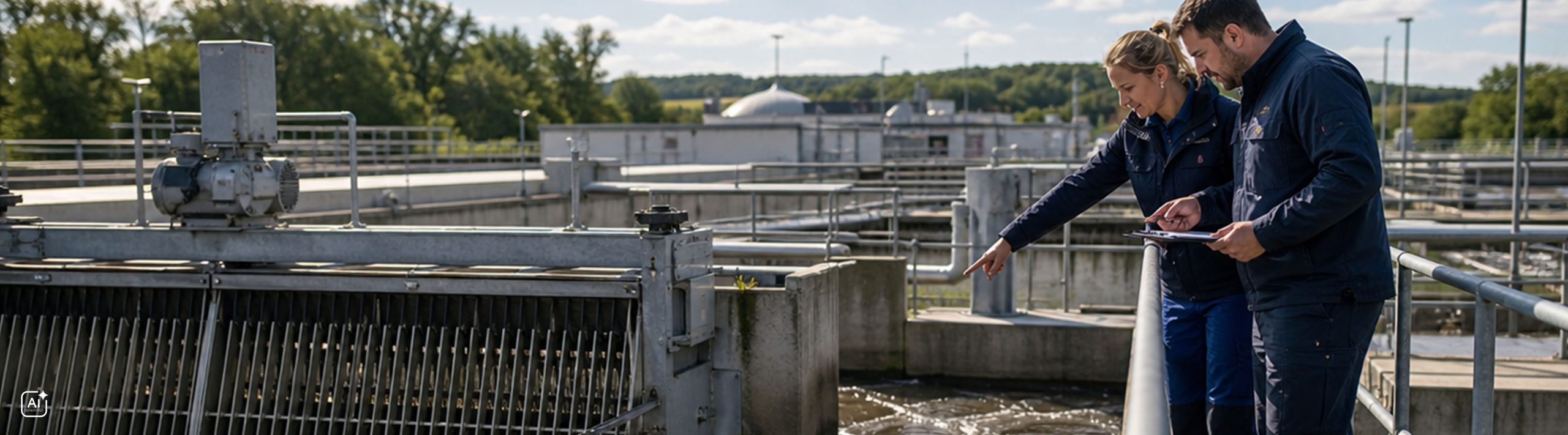
Wastewater treatment plants are complex technical facilities where large volumes of wastewater are treated and organic matter is broken down every day. This process can generate toxic, flammable, or oxygen-deplating gases that can accumulate—particularly in enclosed, low-lying, or poorly ventilated areas—and are often odorless, toxic, or even explosive. Hydrogen sulfide (H₂S), methane (CH₄), carbon dioxide (CO₂), and oxygen deficiency (O₂) in particular can pose significant hazards to employees and equipment.
Danger in the Inlet: If, for example , gasoline, solvents, or other highly volatile hydrocarbons enter the sewer system, these substances can transition from the wastewater into the gas phase. These vapors can accumulate particularly in the inlet channel, screening house, pump sump, or other poorly ventilated areas.
Bieler+Lang develops and implements gas detection systems for wastewater treatment plants—ranging from individual monitoring points to networked monitoring of complex plant areas.
Why are gas detection systems usually essential in wastewater treatment plants?
- Sewage treatment plants are often large, with accessible shafts, pumping stations and closed tanks – ideal places for gas accumulations. Without early detection, these gases can:
- Endangering the health and lives of employees
- Trigger explosions or fires
- Damage system parts or cause downtimes
Typical Gas Hazards at Wastewater Treatment Plants—the Classic “Sewage Gases”
Hydrogen sulfide (H₂S) – toxic, explosive, and treacherous
Hydrogen sulfide is produced primarily during the anaerobic degradation of organic matter in wastewater and sludge. This colorless gas is difficult to detect, is harmful to health even at low concentrations, and can accumulate in low-lying or poorly ventilated areas.
Typical hazardous areas:
- Digestion Towers and Digester Gas Zones
- Inlet and Screening System
- Pump shafts and pump sumps
- Canals and enclosed structures
- Sludge Treatment
Methane (CH₄) – Fire and Explosion Hazard
Methane is produced primarily during anaerobic sludge digestion and is a major component of sewage gas. When combined with air, it can form an explosive gas mixture.
Reliable monitoring is particularly important in areas where sewage gas can accumulate or be released due to leaks.
Typical hazardous areas:
- Enclosed areas of the facility
- Fault Towers
- Gas Rooms and Gas Lines
- Sewage Gas Treatment
- CHP and Equipment Rooms
Carbon Dioxide (CO₂)— An Invisible Suffocation Hazard
Carbon dioxide is produced during biological decomposition processes and, due to its higher density, can accumulate particularly in lower-lying areas. High CO₂ concentrations can displace the oxygen in the air we breathe and thus pose a significant hazard.
Typical hazardous areas:
- Areas with biological degradation processes
- Manholes and Sewers
- Pumping stations
- sealed containers
- Sludge Treatment
Oxygen (O₂) – Recognizing Oxygen Deficiency Early
In enclosed or poorly ventilated areas, the oxygen content of the ambient air can drop to dangerous levels. This can be caused, for example, by biological decomposition processes or by other gases displacing oxygen.
O₂ monitoring is therefore particularly important for walk-in areas or areas that are potentially at risk.
Typical hazardous areas:
- Restricted maintenance areas
- Shafts
- Channels
- Containers and Tanks
- Pumping stations
These four parameters play a key role in work performed in enclosed spaces within wastewater treatment facilities and are also explicitly listed as typical parameters in DGUV Rule 103-003.
Depending on the process and the equipment used, the toxic gas ammonia (NH₃) may also be a concern . In addition to hydrogen sulfide, it can be produced, for example, during sludge dewatering in chamber filter presses using lime and iron salts.
The DGUV also explicitly describes the risk that hazardous atmospheres can form as a result of the unauthorized discharge of flammable liquids —citing gasoline vapors and solvents as examples. In such situations, monitoring the atmosphere for flammable gases and vapors may be necessary.
Unexpected Hazardous Substances in Wastewater? Detect Gas and Explosion Hazards Before Wastewater Treatment Begins
Unexpected hazardous substances can already be present in the influent of a wastewater treatment plant. Illegally discharged gasoline, solvents, or other flammable liquids can release volatile vapors and create a hazardous atmosphere, particularly in influent channels, screen houses, and pump sumps. Gasoline vapor, for example, is about four times heavier than air (density ratio) and poses a major explosion hazard in shafts and channels.
In addition to monitoring typical sewage gases such as H₂S, CH₄, CO₂, and O₂, the detection of other flammable vapors or volatile organic compounds (VOCs) can therefore also be an important safety measure, depending on the risk assessment.
Depending on the material and the task at hand, various measurement principles may be considered:
- LEL sensors for detecting an explosive atmosphere
- PID/VOC sensors for detecting volatile organic compounds even at low concentrations
- for certain other substances, substance-specific sensors as well
This allows hazardous atmospheres to be detected early on, enabling appropriate measures—such as triggering alarms, ventilating the area, or cordoning off at-risk areas—to be taken.
Common Gas Hazards in the Wastewater Treatment Process
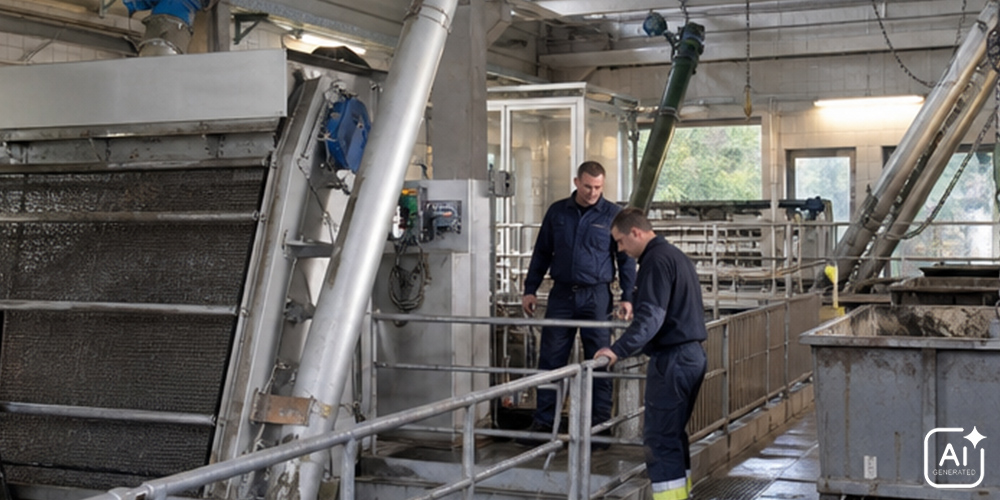
Inlet & Screening System
Organic substances and various pollutants enter the wastewater treatment plant along with the wastewater. Hydrogen sulfide, in particular, can be produced during their degradation.
Foreign substances introduced illegally, or fuels such as gasoline or diesel that have leaked in the event of an accident, can pose an additional, unexpected hazard and jeopardize the process chain.
Gas Monitoring: Flammable Gases and Vapors · VOCs · H₂S · O₂ · CO₂
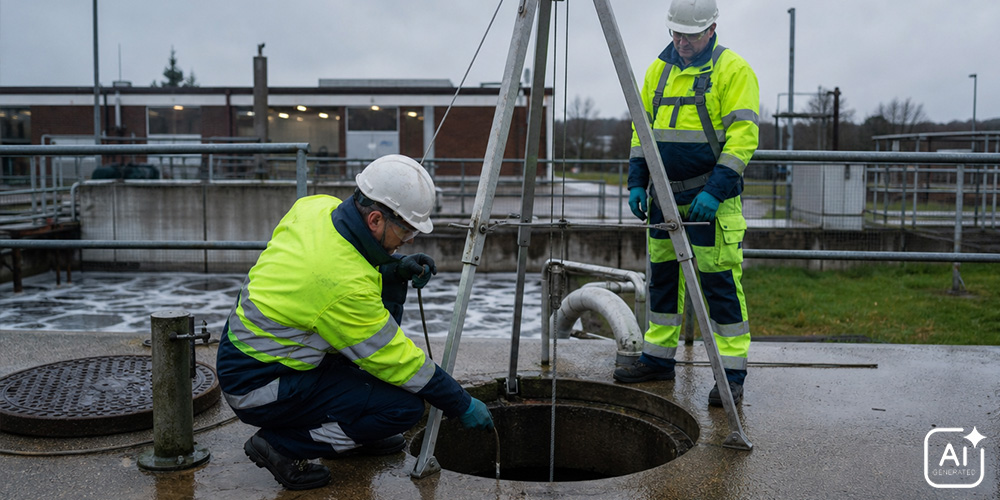
Pumping Stations & Manholes
Low-lying and poorly ventilated areas are particularly critical. Gases can accumulate there, while at the same time the oxygen content of the air we breathe can drop.
Dangerous gas concentrations can build up in enclosed intake areas, shafts, and pump sumps.
Gas Monitoring: H₂S · CO₂ · O₂
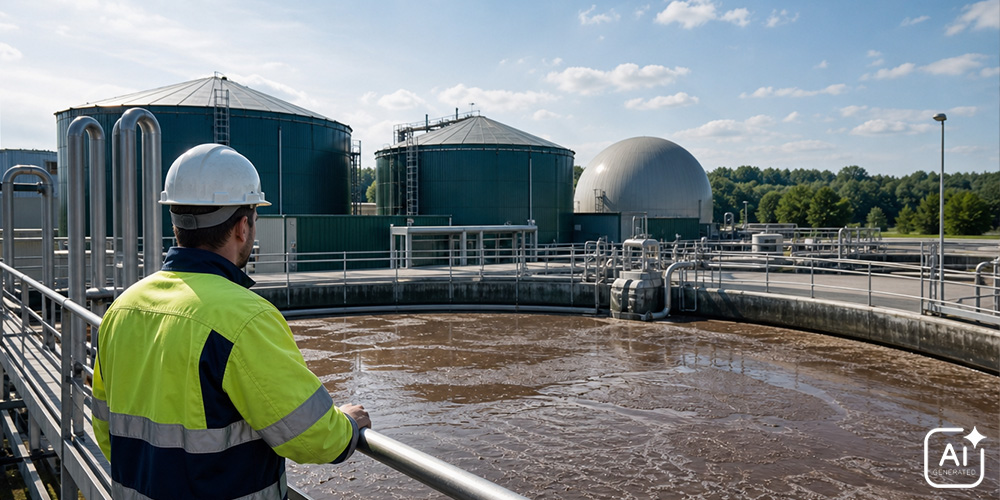
Biological Wastewater Treatment
In biological treatment, organic matter is broken down by microorganisms. Depending on the process, plant design, and aeration, different gas conditions may result.
The gas detection system helps ensure the safe monitoring of enclosed or technically relevant areas.
Gas Monitoring: H₂S · CO₂ · O₂
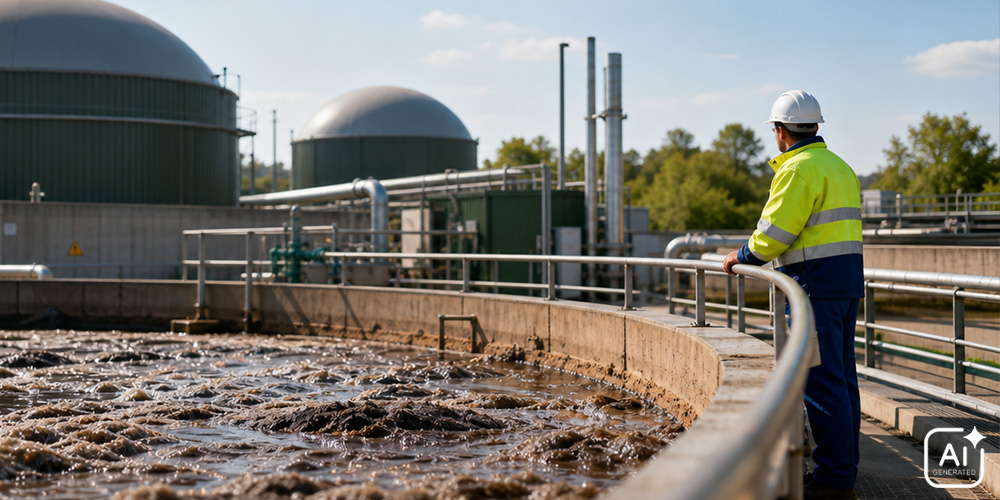
Sludge Treatment & Anaerobic Digestion
The anaerobic treatment of sewage sludge in a digester produces large quantities of sewage gas. Methane and hydrogen sulfide are particularly significant in this process. Ammonia can also be produced during certain sludge treatment processes.
In this context, monitoring serves both to protect personnel and to ensure the safe control of flammable gas atmospheres.
Gas Monitoring: CH₄ · H₂S · O₂; NH₃ if applicable
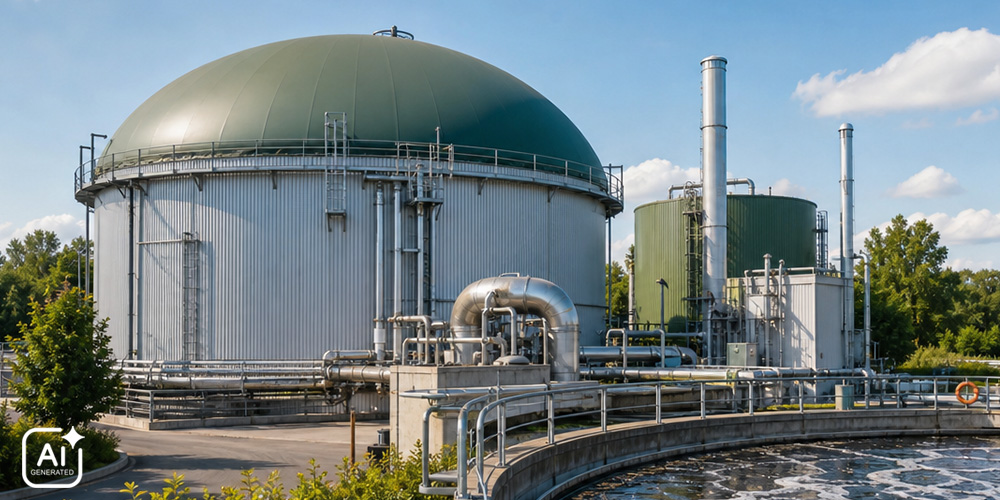
Sewage Gas & Energy Production
The biogas produced during anaerobic digestion is often used to generate energy. Potential leaks in gas chambers, pipelines, connected combined heat and power plants, and other technical facilities must be detected early.
Interesting: The technology used for this purpose, the gases that are frequently detected, and the type of monitoring are often similar to those in the biogas sector.
Gas Monitoring: CH₄ · H₂S; possibly also CO₂ · O₂ · CO
Safety in Accordance with Regulations
Gas hazards at wastewater treatment plants require a systematic assessment and appropriate protective measures.
- The DGUV Rule 103-003 “Work in Enclosed Spaces of Wastewater Treatment Facilities” describes the specific hazards associated with working in shafts, sewers, pump sumps, screening facilities, sludge silos, digesters, and other areas of wastewater treatment plants. As part of the hazard assessment, it must be determined which hazardous substances may be present and whether there is a lack of oxygen. For clearance testing, the DGUV specifies, among other methods, continuous measurements using direct-reading multi-gas detectors. Typical parameters to be measured include methane (CH₄), hydrogen sulfide (H₂S), oxygen (O₂), and carbon dioxide (CO₂).
- DGUV Rule 103-602, “Wastewater Disposal Industry,” describes typical hazards and appropriate protective measures for work in wastewater treatment facilities. These include, among others , hazards posed by methane (CH₄), hydrogen sulfide (H₂S), carbon dioxide (CO₂), and oxygen deficiency. For work in enclosed spaces, the regulation requires monitoring of the atmosphere before work begins and throughout the work.
- DGUV Information 213-056: For monitoring the toxic gases H₂S and oxygen, the current DGUV Information 213-056 “Gas Detection Systems for Toxic Gases/Vapors and Oxygen—Use and Operation” (published by BG RCI as Technical Note T 021 ) is highly relevant. It explicitly addresses the design, initial commissioning, use, maintenance, and repair of such gas detection systems.
- DGUV Information 213-057: For CH₄ and explosion protection, the DGUV Information 213-057 “Gas Detection Systems for Explosion Protection—Use and Operation” is applicable. It also covers design, initial commissioning, use, maintenance, inspections, and repairs.
- For systems installed in potentially explosive atmospheres, the requirements of the Industrial Safety Regulation (BetrSichV) and explosion protection regulations also apply. The BetrSichV requires appropriate protective measures and equipment suited to the respective zone in the event of relevant hazards; specific testing requirements also apply to gas detection systems in potentially explosive atmospheres.
Gas Monitoring as Part of the Safety Plan
Depending on the risk assessment, gas detection systems can help to
- to detect hazardous gas concentrations early,
- To determine a lack of oxygen,
- to warn of an explosive atmosphere,
- to trigger ventilation and other protective measures,
- and to protect employees while they are working in hazardous areas.
DGUV Rule 103-003 stipulates that, in the presence of relevant hazards, in addition to conducting a clearance test before entry, continuous gas monitoring during work is also permitted.
Your Benefits with Bieler+Lang—Security Tailored to Your System
No two wastewater treatment plants are alike. That is why, during the planning phase, we take into account the plant design, process control, spatial geometry, ventilation, and potential gas sources.
Various Gas Hazards in Wastewater Treatment Plants—A Comprehensive Safety Plan
Bieler+Lang can be used to detect gas hazards present in the wastewater inflow—
- Flammable Gases and Vapors caused by foreign substances in wastewater
Risk of explosion – Objective: Early detection below the lower explosive limit (LEL) - Solvent vapors (VOCs) — from foreign substances in the feed
; depending on the substance, they may be toxic, harmful to health, or flammable — Goal: Monitor limit values
How to monitor the major gas hazards associated with wastewater treatment:
- H₂S – Hydrogen sulfide
Toxic – Goal: early detection, as it is toxic and explosive even at low concentrations—and odorless and life-threatening at high concentrations. - CH₄ – Methane
Flammable – Objective: Recognize the risk of explosion - CO₂ – Carbon dioxide
Oxygen-displacing – Goal: Monitor concentration - O₂ – Oxygen
Recognizing Oxygen Deficiency - NH₃ – Ammonia
Toxic, flammable – Goal: Early detection
Depending on the requirements, different measurement methods and sensors can be combined to form a comprehensive gas detection system.
Gas Detection Technology for Demanding Environments—Tried and Tested for Decades
Bieler+Lang—reliable gas detection technology for continuous use. Moisture, contamination, corrosive atmospheres, and hazardous areas place special demands on gas detection technology. Bieler+Lang offers sensors and system components designed for these conditions—and has been doing so for many decades.
From the measurement point to central analysis
Our gas detection systems can centrally monitor numerous measurement points. Alarm messages can be processed according to the system’s requirements and, for example, integrated with ventilation, control, or building management systems.
Planning, Service & Maintenance
Bieler+Lang supports your gas detection system throughout its entire life cycle—from planning and design through installation and commissioning to maintenance, inspection, and service.
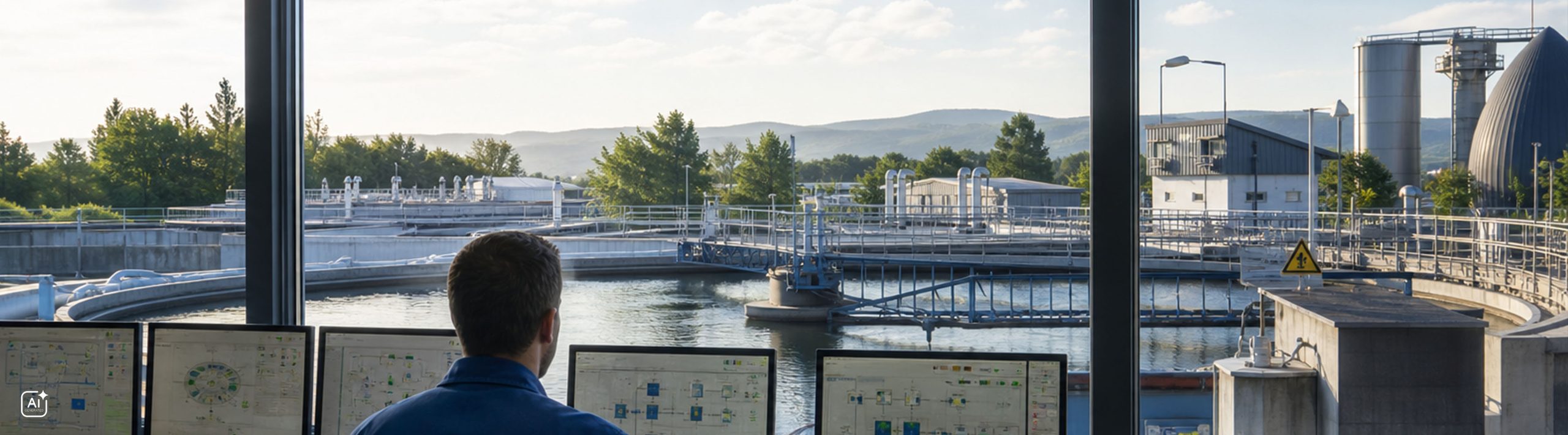
Gas Detection Technology for Wastewater Treatment Plants from Bieler+Lang
Whether it’s a single monitoring point or a large-scale system, Bieler+Lang develops gas detection solutions tailored to local conditions and specific requirements.
Our solutions include, among other things:
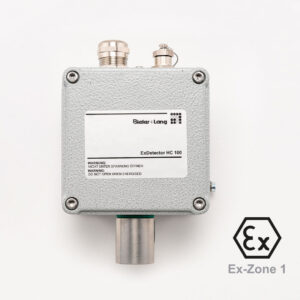
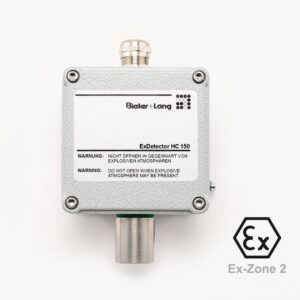
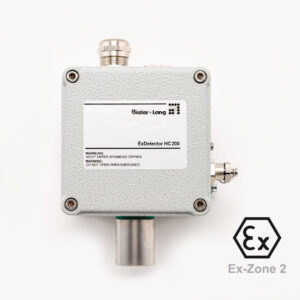
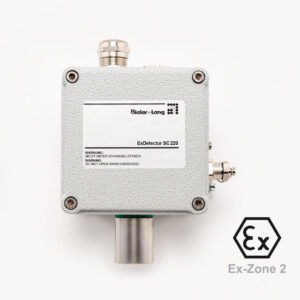
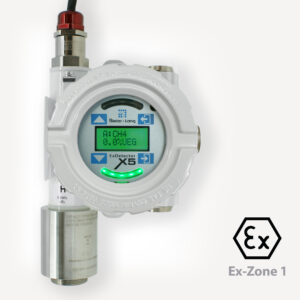
- Fixed gas detectors for toxic and flammable gases
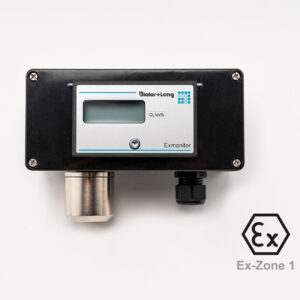
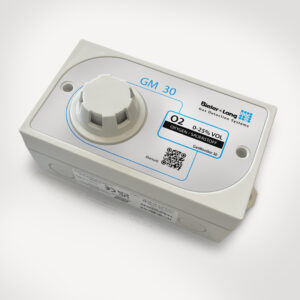
- Oxygen Monitoring Sensors
- Explosion-proof measuring points for hazardous areas
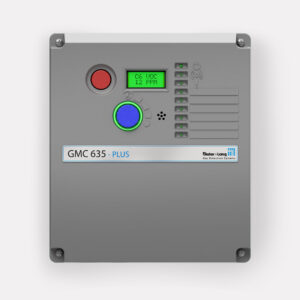
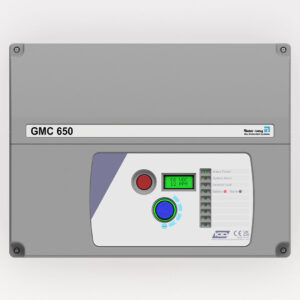
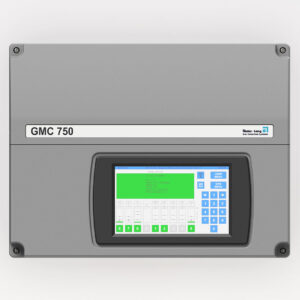
- Central gas detection and analysis units
- Analog and digital signal transmission
- Networking Multiple Measurement Points
- Integration with higher-level control and management systems
- Alarm activation and control of additional safety devices
- Planning, Commissioning, and Training
- Maintenance, Inspection, and Service
From the first measurement point to a comprehensive safety concept.
Our gas detection systems reliably detect hazardous concentrations—before the situation becomes critical. We provide consulting, planning, installation, and maintenance services—to ensure your facility operates safely and your team is protected. We manufacture and install robust, low-maintenance measurement and alarm systems that are precisely tailored to the requirements of wastewater treatment plants. Bieler+Lang – Because Safety Matters. Get some advice.


Our Factory Customer Service—At Your Service!
Safety doesn’t end with installation. Bieler+Lang supports operators throughout the entire lifecycle of their gas detection system—from planning and commissioning through maintenance and calibration to service and troubleshooting. Upon request, our premium maintenance contract with a 24/7 hotline for fault reports is also available to you —around the clock.